





Families rarely start their search looking for a full-size SUV. Most begin in a midsize model and only start considering something larger when space becomes a daily frustration. That shift usually happens when the third row becomes less usable, cargo space disappears with passengers onboard, or everyday routines start to feel cramped.
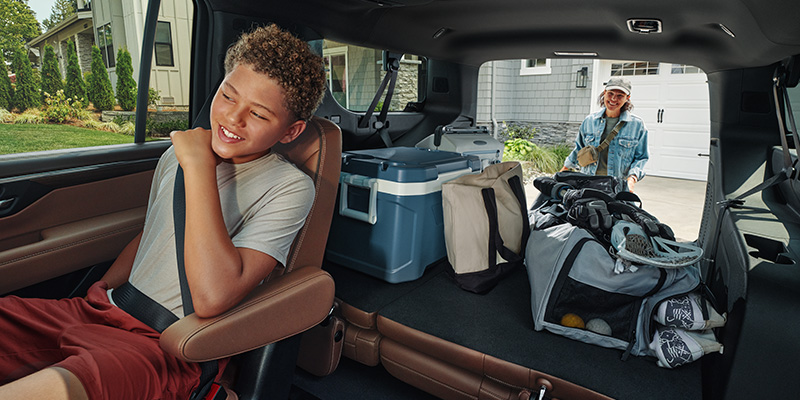
The Chevy Suburban exists for that exact transition point. It is not just a larger SUV. It is designed differently to solve space limitations that standard SUVs cannot address. The key question is not simply how big it is, but whether that added size translates into real-world usability for your family.
Why Families Start Outgrowing Standard SUVs
Many families ask when it actually makes sense to move beyond a standard SUV. A standard SUV is typically a midsize vehicle designed to balance passenger space, cargo capacity, and maneuverability within a shorter wheelbase.
That balance works well until space demands increase.
Families often begin to feel the limitations when
• The third row is needed regularly instead of occasionally
• Cargo space disappears when all seats are occupied
• Car seats, sports gear, or travel luggage compete for the same space
• Passengers in the third row feel cramped on longer drives
In most midsize SUVs, the third row is designed as a flexible extension rather than a primary seating area. This means legroom is reduced and cargo space behind that row becomes minimal.
The shift toward a Chevy Suburban usually happens when families need all seating positions and cargo space to function at the same time, not in rotation.
How Chevy Suburban Interior Space Works Across All Rows
Many shoppers researching the Chevy Suburban ask how many seats it has and whether those seats are actually usable. The Chevy Suburban seating capacity typically accommodates up to nine passengers depending on configuration, with three rows designed to be used consistently rather than occasionally.
What separates the Chevy Suburban interior from smaller SUVs is how its length is distributed.
The Suburban’s extended wheelbase allows for
• Full third-row legroom that supports adult passengers
• Increased distance between rows for easier access and comfort
• Substantial cargo space behind the third row even when all seats are occupied
This is where the Suburban solves a key limitation found in smaller SUVs. Instead of choosing between passengers and cargo, families can carry both without compromise.
From a technical standpoint, the Chevy Suburban independent rear suspension plays a major role here. By allowing the rear wheels to move independently, the suspension system lowers the rear floor height. This creates more vertical cargo space and improves ride comfort for passengers in the third row.
For families, that translates into a smoother ride and more usable space in the areas that matter most.
How Seating Flexibility Supports Changing Family Needs
Space alone is not enough. Families also need flexibility in how that space is used day to day.
Many drivers ask how seating configurations affect real-world usability. Seating flexibility refers to how easily rows can be adjusted, folded, or reconfigured to support different combinations of passengers and cargo.
The Chevy Suburban interior is designed to adapt quickly.
Second-row configurations can include bench seating or captain’s chairs, depending on how families prioritize seating capacity versus ease of access. Folding mechanisms in both the second and third rows allow the Suburban to transition between passenger-focused and cargo-focused setups without complex adjustments.
This becomes especially useful in real-life situations such as
• School drop-offs where multiple seating positions are used daily
• Weekend travel where cargo and passengers must coexist
• Home projects or large-item transport requiring expanded cargo space
The key difference is that these adjustments do not feel like compromises. The Suburban is designed to handle these shifts without sacrificing comfort or accessibility.
When Moving to a Chevy Suburban Actually Makes Sense
One of the most common questions families ask is whether a Chevy Suburban is too much vehicle for their needs. The answer depends on how often space limitations are impacting daily life.
A Chevy Suburban becomes the right fit when
• All seating rows are used frequently, not occasionally
• Cargo needs remain high even with passengers onboard
• Long-distance travel requires consistent comfort across all rows
• Family routines involve gear, equipment, or multiple passengers at once
If those conditions are not present, a midsize SUV may still provide the right balance. However, when those limitations start to appear regularly, the Suburban’s design begins to make more sense.
It is not about having the largest vehicle available. It is about removing the need to constantly adjust, rearrange, or compromise space.
What to Consider About Driving and Living With a Full-Size SUV
Many drivers hesitate when considering a full-size SUV because of concerns around drivability. A full-size SUV is a longer and wider vehicle with a larger wheelbase designed to improve interior space and stability.
That added size does change how the vehicle feels on the road, but not always in the way drivers expect.
The Chevy Suburban wheelbase contributes to a more stable ride, especially on highways and longer trips. The extended length helps distribute weight more evenly, which reduces body movement and improves overall comfort.
However, there are practical considerations to evaluate
• Turning radius is larger than a midsize SUV, requiring more space in tighter areas
• Parking requires more awareness of vehicle length
• Garage and driveway space should be considered before purchasing
At the same time, modern driver assistance features and camera systems help offset many of these concerns. Visibility improvements and parking aids make daily driving more manageable than the size alone might suggest.
For many families, the trade-off becomes clear over time. The added effort in maneuverability is balanced by the consistent benefit of having space that works in every situation.
How the Chevy Suburban Changes Everyday Family Use
The difference between a midsize SUV and a Chevy Suburban is not just measurable in dimensions. It is felt in how daily routines function.
When space is no longer a limitation, decisions become easier. Passengers can sit comfortably without negotiation. Cargo can be loaded without rearranging seating. Travel becomes more predictable because the vehicle supports the plan instead of restricting it.
That is the core purpose of the Suburban’s design.
It is built for families who have reached the point where flexibility is no longer optional. It becomes a requirement.
Understanding that distinction helps determine whether moving into a full-size SUV is the right decision. When the need for space is consistent, the Chevy Suburban provides a solution that standard SUVs are not designed to match.
Connect with us


