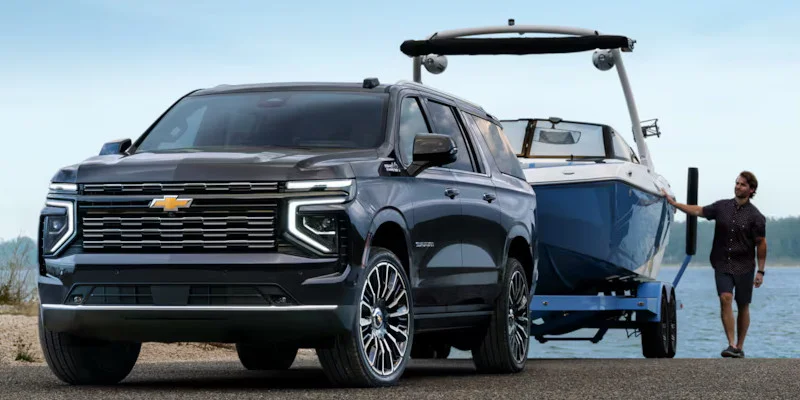
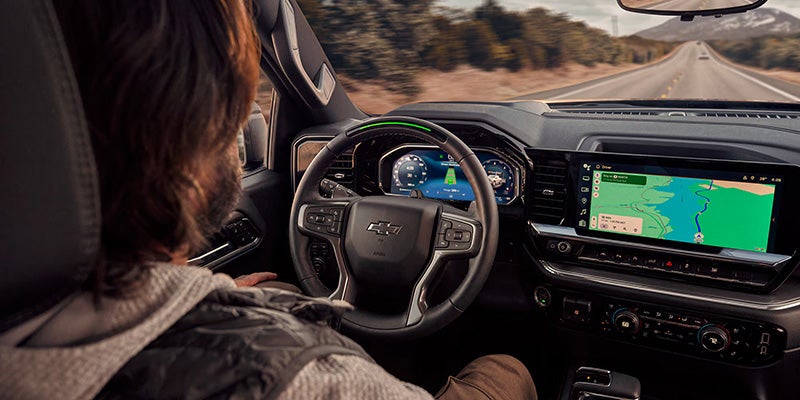
The 2026 Chevy Silverado 1500 towing capacity ranges from 8,700 to 13,300 pounds across properly equipped configurations. However, engine choice never works alone. In addition, cab style, bed length, drive layout, wheels, and trailering equipment shape the final rating. Therefore, two Silverado trucks with the same engine may carry different limits. The best starting point is your trailer’s loaded weight. Additionally, you need the truck’s specific label, passenger load, bed cargo, and hitch weight. Moreover, those details matter across very different Oklahoma jobs. For this reason, a Lake Texoma boat creates one set of demands. A livestock trailer, camper, or ranch equipment trailer creates another. Consequently, the right setup begins with accurate weights, not a broad maximum. Start With the Trailer’s Loaded Weight A trailer’s empty weight does not show what the truck will pull on the road. Therefore, start after adding water, fuel, animals, tools, food, and gear. What should you count before checking the 2026 Chevy Silverado 1500 towing capacity? Count everything that travels inside or on the trailer. The answer is the loaded trailer weight. Use these checks before comparing engines: Record the trailer’s listed empty weight from its data plate or paperwork. Add water, fuel, batteries, livestock, equipment, food, tools, and personal gear. Confirm the final loaded weight at a public scale when possible. Additionally, a travel trailer may gain hundreds of pounds after tanks and supplies are filled. Likewise, a boat trailer gains weight from fuel, batteries, coolers, and fishing gear. By contrast, livestock creates another moving load. Therefore, animal weight, feed, tack, gates, and trailer equipment all need attention. Furthermore, ranch equipment can shift weight toward the front or rear. Therefore, loaded weight gives you the first useful number. However, it is not the only number. The truck must also carry hitch weight, passengers, tools, and bed cargo. How Much Can Each Silverado Engine Tow? Each engine sets a different upper range for the 2026 Chevy Silverado 1500 towing capacity. The final figure still changes with cab, bed, drive layout, wheels, and equipment. First, the TurboMax engine reaches up to 9,500 pounds in a properly equipped setup. It produces 430 pound feet of torque. Therefore, it may fit boats, utility trailers, smaller campers, and work trailers. Next, the 5.3 liter V8 reaches up to 11,300 pounds in selected configurations. It adds more trailer room for larger campers and heavier work loads. Still, the exact truck must match the required setup. Additionally, the 6.2 liter V8 reaches up to 13,200 pounds. It serves heavier gasoline towing when the correct package, wheels, cab, and bed are present. Finally, the 3.0 liter Duramax diesel reaches the highest published figure at 13,300 pounds. Its 495 pound feet of torque suits frequent highway towing and heavier trailer plans. Which engine fits your trailer? The direct answer comes from loaded trailer weight, hitch weight, trip frequency, and the chosen truck’s label. However, a large engine alone does not guarantee the highest figure. A crew cab with four wheel drive may carry a different rating. By contrast, a two wheel drive regular cab may differ. Therefore, compare complete configurations, not engine names alone. Understand Payload and Hitch Weight Payload and towing describe different weight limits. In addition, both limits need review before choosing a truck. Towing covers the trailer behind the truck. Payload covers weight placed on the truck itself. Furthermore, hitch weight is part of payload. So are passengers, tools, bed cargo, accessories, and added equipment. Therefore, a trailer may sit below the tow rating while the truck reaches its payload limit first. For this reason, consider a family towing a camper across Oklahoma. People, coolers, firewood, bicycles, and a bed cover all add weight. The trailer’s hitch also presses down on the rear of the truck. What should you review next? Check the driver door label for the truck’s specific payload information. Then add every item carried by the truck. Therefore, the 2026 Chevy Silverado 1500 towing capacity should always be reviewed beside payload. That pairing shows whether the selected setup has enough room for both trailer and truck loads. Additionally, hitch weight changes steering and braking feel. Too little can cause trailer sway. Too much can overload the rear axle or reduce front tire contact. In addition, a weight distributing hitch may be required for certain trailers. However, that equipment does not raise the truck’s published limits. It manages load placement within those limits. What Does the Max Trailering Package Change? The Max Trailering Package supports selected Silverado configurations with higher published ratings. However, it does not give every truck the same maximum. What does the package change? It adds trailering hardware and works with specific engines, axles, wheels, cabs, beds, and drive layouts. Therefore, the entire setup must match Chevrolet’s chart. Additionally, some highest ratings require 20 inch wheels. Others appear only with a certain cab or bed. Four wheel drive can also change the listed figure. Furthermore, the package may include a trailer brake controller, hitch hardware, axle changes, and cooling support. Exact contents can vary by configuration. The 2026 Chevy Silverado 1500 towing capacity reaches its highest figures only when all required pieces are present. A package name on a listing is not enough by itself. Therefore, ask to see the truck’s build information and trailering label. Then compare those details with the trailer’s loaded weight and hitch weight. In addition, Chevrolet offers trailering tools through the center display. These tools can store trailer profiles, test trailer lights, and show brake status. They support preparation, but they do not replace weight checks. Match the Engine With Oklahoma Towing Tasks Oklahoma towing ranges from short local trips to long highway pulls. Therefore, engine choice should reflect the trailer, route, and towing frequency. A fishing boat headed toward Lake Texoma may fit within the TurboMax range. However, boat size, fuel, gear, and trailer weight need verification. Additionally, the 5.3 liter V8 may suit larger boats, work trailers, and travel trailers. It gives more room than TurboMax without moving to the largest gas engine. By contrast, the 6.2 liter V8 may fit heavier gasoline towing. It may suit larger campers, equipment trailers, or ranch loads within the truck’s exact limits. Finally, the Duramax diesel may suit frequent highway towing. Its torque can support steady pulling with heavier trailers. Still, the selected cab, bed, wheels, and package control the final rating. Moreover, livestock trailers require careful planning because animal weight can shift. Ranch equipment may also create uneven weight across the trailer. The 2026 Chevy Silverado 1500 towing capacity can cover many Oklahoma tasks. Yet no engine should be chosen from a trailer category alone. Confirm loaded weight before selecting the truck. In addition, long highway trips place steady demand on tires, brakes, cooling, and trailer connections. Therefore, service history and maintenance matter before every major trip. Verify the Rating Before Choosing a Truck The final towing number belongs to the exact Silverado on the lot. Therefore, broad model figures should guide research, not finish it. Where should you verify the rating? Start with the driver door jamb label, trailering label, window sticker, and build information. Then compare those details with Chevrolet’s current chart. Review these items before signing: Confirm the engine, cab, bed, drive layout, axle, wheels, and trailering package. Compare the truck’s tow rating with the trailer’s loaded weight. Add hitch weight, passengers, tools, accessories, and bed cargo against payload. The 2026 Chevy Silverado 1500 towing capacity should leave room below both towing and payload limits. That room supports changing cargo, extra passengers, and future trailer additions. Furthermore, inspect the hitch, wiring connector, brake controller, tires, and mirrors. A correct rating cannot make worn or missing equipment safe. For a boat, check ramp traction and trailer brake needs. Additionally, review the launch area and expected road distance. For livestock, review gates, floor strength, and weight movement. For campers, count water, batteries, propane, and storage cargo. The right Silverado setup is the one that matches your loaded trailer and truck weight. Verify every number before choosing an engine or trim.