




Stuteville Chevrolet of Durant

Blog

All Durant Chevrolet Dealer Durant Chevrolet Service
in Durant Chevrolet Dealer

Is the Chevy Suburban a Good SUV for Large Families

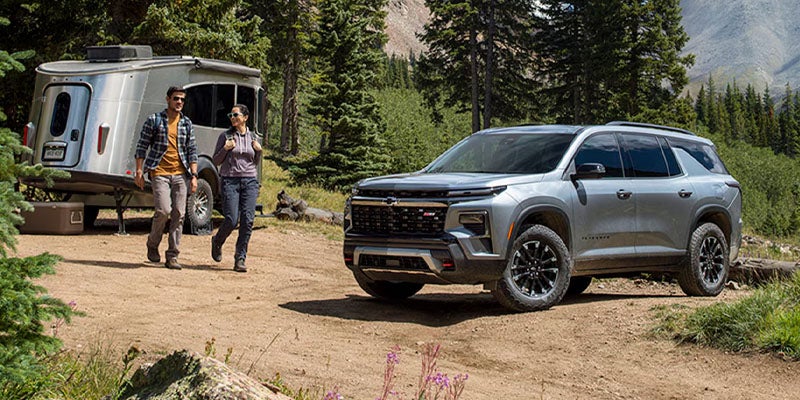
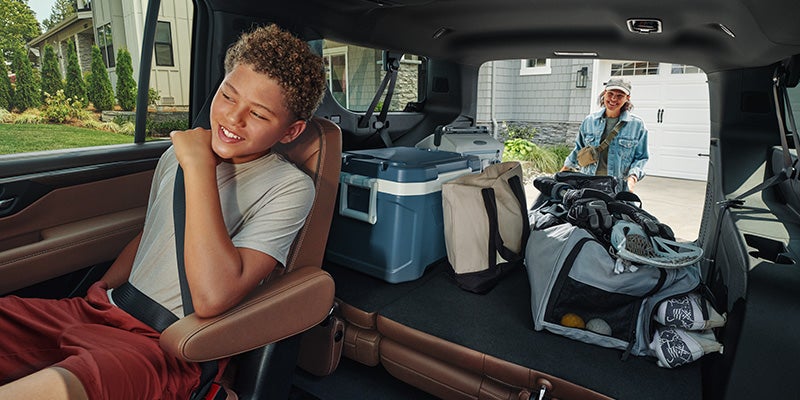
Is the Chevy Suburban a good SUV for large families? Its strongest case comes from the space left after every passenger sits down. Both Suburban and Tahoe offer three rows and seating for up to nine. However, Suburban gives families more room behind the third row and slightly more third row legroom. That extra space matters when children, adults, bags, sports gear, and groceries all share the cabin. Tahoe remains easier to place in tighter garages and parking spaces. Therefore, the better family choice starts with how regularly every seat and cargo area will be used. How Suburban Supports a Larger Family Suburban gives a large family more room without changing the basic three row layout. It can seat up to nine with the correct front seating configuration. However, seating count alone does not explain how the cabin works with everyone aboard. In addition, Suburban gives row three occupants 36.7 inches of legroom. Tahoe provides 34.9 inches in the third row. Can adults use the Suburban third row? Yes, the extra legroom gives adult passengers more space than Tahoe provides. Still, legroom should be checked with the second row in its normal family position. A child seat, tall second row passenger, or reclined seat can change the space behind it. more In addition, Suburban keeps more cargo room behind row three. That makes it easier to carry groceries, backpacks, strollers, or sports bags with every seat occupied. Therefore, families who use all three rows gain the clearest advantage from the longer body. The seating layout also deserves attention before choosing a trim. Second row captain chairs create a clear walkway toward row three. A second row bench can raise total seating count. For this reason, families should test both layouts with their normal mix of passengers. Third Row Space Changes the Daily Routine Therefore, third row room matters most when that row is used regularly. A seat can meet the count on paper and still feel tight in regular family use. Suburban gives 1.8 more inches of third row legroom than Tahoe. That difference gives knees and feet more room on longer drives. How should a family test the third row? Start with the second row placed where its usual passengers would sit. Then have the tallest likely third row passenger climb in. Check knee room, foot room, entry path, and head clearance before moving any seat. Additionally, consider how regularly adults will ride in row three. Younger children need less legroom, but they may need help reaching seat belts. Older children and adults place more demand on knee and foot space. Therefore, the Suburban gains more value as third row passengers get taller. Tahoe still gives families a full three row cabin in a shorter body. That can make parking, garage fit, and tight school pickup lanes easier to manage. In addition, the shorter length may suit families who use row three only part of the time. A test drive should include the whole seating routine. Load the child seats, move the second row, and sit in row three. That check shows more than a seating number ever can. Cargo Space With Every Seat Raised How much cargo space remains with every row in use? Tahoe provides 25.5 cubic feet behind row three. Suburban provides 41.5 cubic feet behind row three. Therefore, Suburban adds 16 cubic feet without folding passenger seats. That difference changes what a family can carry on a full passenger load. A stroller, cooler, sports bags, and groceries take space quickly. In addition, road trip luggage can fill a smaller rear cargo area before every passenger adds personal items. For this reason, families should compare the space behind row three with the gear they already own. Bring a stroller or large sports bag during a dealership visit if space is a major concern. That makes the cargo check more concrete. Several cargo questions deserve attention: Can the stroller fit behind row three without folding a seat or removing a wheel? Will sports bags, groceries, or school gear fit beside the stroller on the same trip? Can the family load luggage for a weekend trip while keeping every passenger seat available? Maximum cargo volume tells a different story because rear seats must fold. Tahoe reaches 122.7 cubic feet with seats folded. Suburban reaches 144.5 cubic feet. However, families using every row should focus first on the space that remains behind row three. Towing With Passengers and Family Gear Families who pull a boat or camper need to compare more than cabin space. Tahoe reaches up to 8,400 pounds of maximum available towing for 2026. Suburban reaches up to 8,200 pounds. Therefore, the longer Suburban does not carry the higher published trailer rating. Which one gives a family more towing room? Tahoe carries the slightly higher maximum rating when properly equipped. However, the exact SUV, trailer, passengers, and cargo must fit within every published weight limit. Passengers and cargo add weight to the SUV before trailer tongue weight enters the picture. In addition, coolers, bikes, camping gear, and hitch equipment add more weight. That means a family should check the exact payload label and trailering information for the SUV being considered. For a boat or camper trip, compare these items before choosing: Loaded trailer weight should include water, propane, batteries, food, and gear carried in the trailer. Tongue weight adds load to the SUV and shares available payload with passengers and cargo. Factory trailering equipment should match the trailer and the published rating for that exact configuration. Tahoe may suit families who want the higher published maximum trailer rating in a shorter body. Suburban may suit families who value more cabin and cargo room while still towing a substantial trailer. Therefore, the trailer and passenger plan should be reviewed together. Choosing Between Tahoe and Suburban in Oklahoma The final choice comes down to how the family uses the cabin, cargo area, and trailer hitch. Tahoe offers three rows, strong towing numbers, and a shorter overall body. Suburban adds third row legroom and much more cargo room behind that row. For a family with younger children and lighter cargo needs, Tahoe may provide enough room. In addition, its shorter length can make school lots, downtown parking, and home garages easier to manage. Families who use row three only on some trips may find that layout easier to live with. Suburban becomes more useful when row three stays occupied and cargo still needs a permanent place. It also gives taller third row passengers more legroom. Therefore, larger families carrying strollers, sports bags, luggage, or groceries at the same time may prefer the extra length. Oklahoma families who tow should compare the exact trailer plan with both SUVs. Boat weight, camper weight, passenger load, and cargo all belong in the same calculation. In addition, the exact trim and trailering equipment should be confirmed before choosing either model. Stuteville Chevrolet can guide families comparing Tahoe and Suburban side by side in Durant. Bring the people and gear that shape your normal trips. Then test seating, cargo access, parking comfort, and trailering needs before deciding which size works better.

Read More

2026 Chevy Silverado 1500 Towing Capacity by Engine

The 2026 Chevy Silverado 1500 towing capacity ranges from 8,700 to 13,300 pounds across properly equipped configurations. However, engine choice never works alone. In addition, cab style, bed length, drive layout, wheels, and trailering equipment shape the final rating. Therefore, two Silverado trucks with the same engine may carry different limits. The best starting point is your trailer’s loaded weight. Additionally, you need the truck’s specific label, passenger load, bed cargo, and hitch weight. Moreover, those details matter across very different Oklahoma jobs. For this reason, a Lake Texoma boat creates one set of demands. A livestock trailer, camper, or ranch equipment trailer creates another. Consequently, the right setup begins with accurate weights, not a broad maximum. Start With the Trailer’s Loaded Weight A trailer’s empty weight does not show what the truck will pull on the road. Therefore, start after adding water, fuel, animals, tools, food, and gear. What should you count before checking the 2026 Chevy Silverado 1500 towing capacity? Count everything that travels inside or on the trailer. The answer is the loaded trailer weight. Use these checks before comparing engines: more Record the trailer’s listed empty weight from its data plate or paperwork. Add water, fuel, batteries, livestock, equipment, food, tools, and personal gear. Confirm the final loaded weight at a public scale when possible. Additionally, a travel trailer may gain hundreds of pounds after tanks and supplies are filled. Likewise, a boat trailer gains weight from fuel, batteries, coolers, and fishing gear. By contrast, livestock creates another moving load. Therefore, animal weight, feed, tack, gates, and trailer equipment all need attention. Furthermore, ranch equipment can shift weight toward the front or rear. Therefore, loaded weight gives you the first useful number. However, it is not the only number. The truck must also carry hitch weight, passengers, tools, and bed cargo. How Much Can Each Silverado Engine Tow? Each engine sets a different upper range for the 2026 Chevy Silverado 1500 towing capacity. The final figure still changes with cab, bed, drive layout, wheels, and equipment. First, the TurboMax engine reaches up to 9,500 pounds in a properly equipped setup. It produces 430 pound feet of torque. Therefore, it may fit boats, utility trailers, smaller campers, and work trailers. Next, the 5.3 liter V8 reaches up to 11,300 pounds in selected configurations. It adds more trailer room for larger campers and heavier work loads. Still, the exact truck must match the required setup. Additionally, the 6.2 liter V8 reaches up to 13,200 pounds. It serves heavier gasoline towing when the correct package, wheels, cab, and bed are present. Finally, the 3.0 liter Duramax diesel reaches the highest published figure at 13,300 pounds. Its 495 pound feet of torque suits frequent highway towing and heavier trailer plans. Which engine fits your trailer? The direct answer comes from loaded trailer weight, hitch weight, trip frequency, and the chosen truck’s label. However, a large engine alone does not guarantee the highest figure. A crew cab with four wheel drive may carry a different rating. By contrast, a two wheel drive regular cab may differ. Therefore, compare complete configurations, not engine names alone. Understand Payload and Hitch Weight Payload and towing describe different weight limits. In addition, both limits need review before choosing a truck. Towing covers the trailer behind the truck. Payload covers weight placed on the truck itself. Furthermore, hitch weight is part of payload. So are passengers, tools, bed cargo, accessories, and added equipment. Therefore, a trailer may sit below the tow rating while the truck reaches its payload limit first. For this reason, consider a family towing a camper across Oklahoma. People, coolers, firewood, bicycles, and a bed cover all add weight. The trailer’s hitch also presses down on the rear of the truck. What should you review next? Check the driver door label for the truck’s specific payload information. Then add every item carried by the truck. Therefore, the 2026 Chevy Silverado 1500 towing capacity should always be reviewed beside payload. That pairing shows whether the selected setup has enough room for both trailer and truck loads. Additionally, hitch weight changes steering and braking feel. Too little can cause trailer sway. Too much can overload the rear axle or reduce front tire contact. In addition, a weight distributing hitch may be required for certain trailers. However, that equipment does not raise the truck’s published limits. It manages load placement within those limits. What Does the Max Trailering Package Change? The Max Trailering Package supports selected Silverado configurations with higher published ratings. However, it does not give every truck the same maximum. What does the package change? It adds trailering hardware and works with specific engines, axles, wheels, cabs, beds, and drive layouts. Therefore, the entire setup must match Chevrolet’s chart. Additionally, some highest ratings require 20 inch wheels. Others appear only with a certain cab or bed. Four wheel drive can also change the listed figure. Furthermore, the package may include a trailer brake controller, hitch hardware, axle changes, and cooling support. Exact contents can vary by configuration. The 2026 Chevy Silverado 1500 towing capacity reaches its highest figures only when all required pieces are present. A package name on a listing is not enough by itself. Therefore, ask to see the truck’s build information and trailering label. Then compare those details with the trailer’s loaded weight and hitch weight. In addition, Chevrolet offers trailering tools through the center display. These tools can store trailer profiles, test trailer lights, and show brake status. They support preparation, but they do not replace weight checks. Match the Engine With Oklahoma Towing Tasks Oklahoma towing ranges from short local trips to long highway pulls. Therefore, engine choice should reflect the trailer, route, and towing frequency. A fishing boat headed toward Lake Texoma may fit within the TurboMax range. However, boat size, fuel, gear, and trailer weight need verification. Additionally, the 5.3 liter V8 may suit larger boats, work trailers, and travel trailers. It gives more room than TurboMax without moving to the largest gas engine. By contrast, the 6.2 liter V8 may fit heavier gasoline towing. It may suit larger campers, equipment trailers, or ranch loads within the truck’s exact limits. Finally, the Duramax diesel may suit frequent highway towing. Its torque can support steady pulling with heavier trailers. Still, the selected cab, bed, wheels, and package control the final rating. Moreover, livestock trailers require careful planning because animal weight can shift. Ranch equipment may also create uneven weight across the trailer. The 2026 Chevy Silverado 1500 towing capacity can cover many Oklahoma tasks. Yet no engine should be chosen from a trailer category alone. Confirm loaded weight before selecting the truck. In addition, long highway trips place steady demand on tires, brakes, cooling, and trailer connections. Therefore, service history and maintenance matter before every major trip. Verify the Rating Before Choosing a Truck The final towing number belongs to the exact Silverado on the lot. Therefore, broad model figures should guide research, not finish it. Where should you verify the rating? Start with the driver door jamb label, trailering label, window sticker, and build information. Then compare those details with Chevrolet’s current chart. Review these items before signing: Confirm the engine, cab, bed, drive layout, axle, wheels, and trailering package. Compare the truck’s tow rating with the trailer’s loaded weight. Add hitch weight, passengers, tools, accessories, and bed cargo against payload. The 2026 Chevy Silverado 1500 towing capacity should leave room below both towing and payload limits. That room supports changing cargo, extra passengers, and future trailer additions. Furthermore, inspect the hitch, wiring connector, brake controller, tires, and mirrors. A correct rating cannot make worn or missing equipment safe. For a boat, check ramp traction and trailer brake needs. Additionally, review the launch area and expected road distance. For livestock, review gates, floor strength, and weight movement. For campers, count water, batteries, propane, and storage cargo. The right Silverado setup is the one that matches your loaded trailer and truck weight. Verify every number before choosing an engine or trim.
What Makes the Corvette E-Ray Different From Other Models

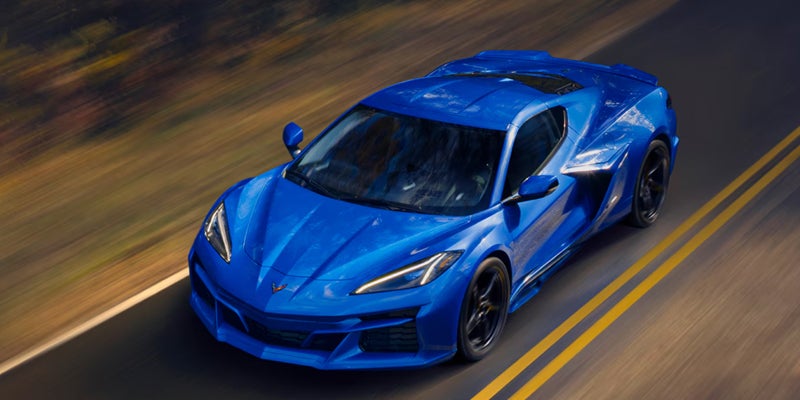
The new Corvette E-Ray sits in a part of the Corvette lineup that did not exist until recently, and shoppers who are just discovering it often have more questions than answers. It is not the highest-horsepower model in the family. It does not plug in. Yet it is the quickest Corvette to reach 60 mph that Chevrolet has ever produced. For buyers who have followed the Corvette for years, that combination raises legitimate questions about what the E-Ray actually is and where it belongs in a purchase decision. This blog addresses those questions directly, starting with the architecture that makes the E-Ray structurally unlike every Corvette that came before it. What the E-Ray Actually Is The Corvette E-Ray is the first electrified Corvette in the model's history, and that distinction carries more structural weight than it might initially suggest. Every Corvette before it has been a rear-wheel-drive vehicle, with power sent exclusively through the rear axle by the combustion engine. The E-Ray changes that in a specific and deliberate way: it keeps the rear-mounted 6.2-liter LT2 V8 in place while adding an independent electric motor at the front axle. That front electric motor is not a range-extending unit and is not connected to an external charging port. It exists specifically to drive the front wheels, creating a vehicle that is all-wheel drive without altering the fundamental rear-drive identity that Corvette has maintained for decades. The V8 continues to power the rear wheels exactly as it does in the Stingray. What the electric motor adds is a second, independent power source at the front that can engage on its own terms, separate from what the combustion engine is doing at the rear. more The result is a car that feels like a Corvette in every way that has historically defined the nameplate, with an added layer of traction and launch authority that the rear-drive variants cannot access. Shoppers who have written off the E-Ray as a hybrid compromise tend to reconsider once they understand that the electric component was engineered to expand what the car can do, not to soften how it does it. How the eAWD Setup Works Chevrolet uses the term eAWD to describe the E-Ray's drivetrain, and understanding what that label means at a mechanical level is the clearest path to understanding what makes this Corvette different. The front electric motor draws from an 1.9 kWh battery pack mounted behind the seats. That battery is not large by EV or plug-in hybrid standards, and it was not designed to be. Its job is to store and deliver energy quickly in the moments when the front motor needs to act. The front motor operates independently from the V8 at the rear. When the car's control systems determine that additional front-axle torque will improve traction or acceleration, the electric motor engages and delivers power to the front wheels. This happens in a time frame that mechanical systems cannot match. There is no driveshaft to spin up, no clutch pack to engage, and no hydraulic pressure to build. The torque arrives at the front wheels almost instantaneously from the moment the motor receives the signal to act. In everyday use, the eAWD system operates largely in the background. The driver does not manually select when the front motor activates. The system reads wheel slip, throttle input, steering angle, and vehicle speed continuously and decides when front-axle torque is appropriate. On a dry road at moderate speeds, the rear V8 handles most of the work and the front motor stays quiet. At launch, in low-traction conditions, or during hard acceleration out of a corner, the front motor contributes meaningfully to what the car can do without the driver managing anything manually. The battery recharges through two sources: regenerative braking, which captures energy during deceleration, and the V8 itself, which can direct excess power toward the battery when conditions allow. This is why the E-Ray does not require external charging. The system maintains its own energy state continuously during driving. Is the Corvette E-Ray a Plug-In Hybrid? No. The Corvette E-Ray is not a plug-in hybrid, and that distinction matters for anyone evaluating it alongside vehicles like the Porsche 918 or other electrified performance cars that do require charging infrastructure. The E-Ray has no charging port. There is no Level 1, Level 2, or DC fast-charge capability built into the car. Owners do not need a home charger, a garage outlet, or access to a charging network. The classification that fits the E-Ray most accurately is a mild hybrid with a performance-focused electric drive axle. The battery is small enough to be recharged entirely through normal driving, and the electric motor's role is traction and acceleration rather than range or fuel economy. This is a meaningful structural difference from vehicles like the Toyota RAV4 Prime or the Ford Escape PHEV, where the battery is sized to allow electric-only driving for a set number of miles and external charging is part of the ownership routine. Shoppers who assumed the E-Ray would require a lifestyle adjustment around charging will find that it does not. The car operates like a conventional vehicle from an ownership standpoint. Fill it with fuel and drive it. The electric system manages itself without driver input and without connection to an external power source. For buyers who want the performance advantages of electrification without the infrastructure commitment that plug-in vehicles require, that distinction puts the E-Ray in a different category than most electrified performance cars currently on the market. Why the E-Ray Reaches 60 Faster Than Higher-Horsepower Corvettes The Corvette E-Ray produces 655 horsepower combined, which is less than the Z06's 670 horsepower from its flat-plane 5.5-liter V8. Yet the E-Ray reaches 60 mph in 2.5 seconds, which is quicker than the Z06 manages from a standing start. Shoppers who notice this discrepancy are right to question it, and the explanation comes down to how and when torque reaches the wheels rather than how much peak power the engine produces. At the moment of launch, the front electric motor delivers torque to the front wheels with essentially no delay. Electric motors reach their full torque output at zero RPM, which means the front axle is pulling the car forward from the instant the driver releases the brake. The rear V8 is doing the same at the rear. The car is being accelerated by two independent power sources simultaneously, one mechanical and one electrical, from the very first fraction of a second of forward motion. The Z06, despite its higher peak horsepower, sends all of its power through the rear wheels. At launch, it must manage wheel spin and traction limits through the rear tires alone. The stability control and launch control systems help, but the physics of putting 670 horsepower through two rear contact patches creates a ceiling on how aggressively the car can accelerate from rest. The E-Ray has four driven wheels managing a combined 655 horsepower, and the front axle's instant torque delivery fills in the gap during the most traction-sensitive part of the acceleration run. The following factors contribute to the E-Ray's 0-to-60 advantage over rear-drive Corvette variants: Electric motor torque is available at zero RPM with no buildup delay Four driven wheels distribute the combined power across more contact area at launch The front motor activates independently, so it does not wait for mechanical inputs from the drivetrain Traction limits at the rear are offset by simultaneous front-axle pull rather than managed by rear grip alone Where the E-Ray Fits in the Corvette Lineup The current Corvette family includes the Stingray, the E-Ray, and the Z06. Each represents a different answer to a different version of the same question: what do you want from a Corvette? The Stingray is the entry point, rear-wheel drive, powered by the 6.2-liter LT2 V8, and the most driver-adjustable of the three in terms of how it delivers its power and how it responds to input. It is the lightest version of the C8 platform and the most track-balanced for drivers who prefer a pure rear-drive setup. The Z06 sits at the top of the combustion-only portion of the lineup. Its 5.5-liter flat-plane crank V8 is a different engine entirely from the LT2 in the Stingray and E-Ray, and it produces its power in a higher-revving, more aggressive way. The Z06 is the choice for drivers who want the highest output from a naturally aspirated engine and who are comfortable with a car that demands more from the driver at the limit. The E-Ray occupies a specific middle position that is not simply a compromise between the other two. It uses the same LT2 V8 as the Stingray but adds the electric front axle, which changes the car's character in conditions where rear-drive traction is the limiting factor. Shoppers who live in climates with varied road conditions, who want a Corvette they can use more of the year, or who want the fastest point-to-point acceleration without the Z06's demand level at the limit will find that the E-Ray addresses a real gap in what the Corvette family offers. For buyers at Stuteville Chevrolet who are working through the lineup decision, the most useful frame is this: the Stingray prioritizes driver engagement through rear-drive purity, the Z06 prioritizes peak combustion output, and the E-Ray prioritizes all-conditions performance through a drivetrain architecture that neither of the other two can replicate. All three are Corvettes. Each one is built around a different answer to what that means.

What Does Chevy Roadside Assistance Actually Help With During Real Driving Situations?

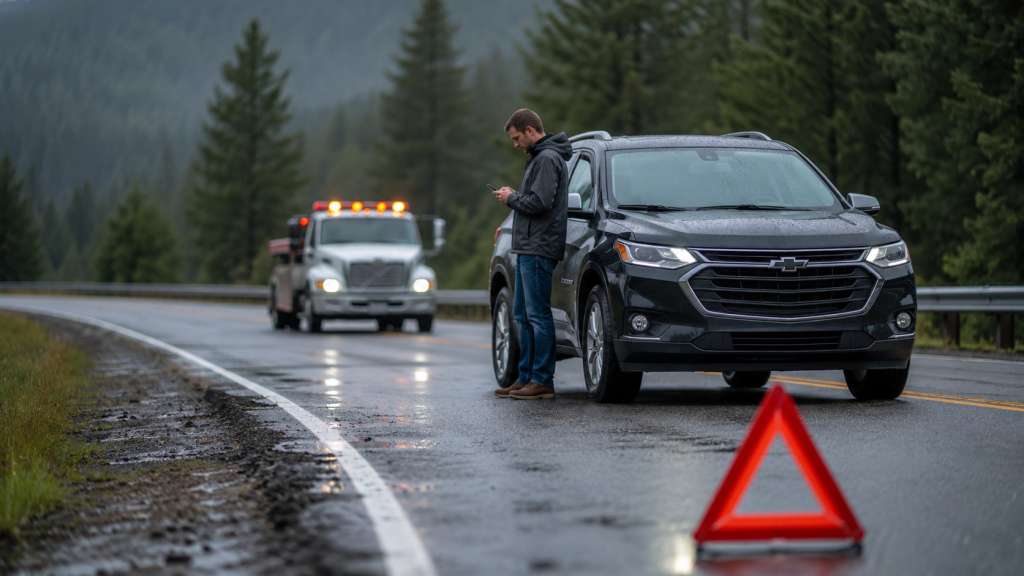
What does Chevy roadside assistance actually help with during day-to-day ownership? Many drivers associate roadside assistance only with towing after a breakdown, but Chevrolet roadside support is designed to help manage several different situations that may interrupt commuting, travel, or long-distance driving. Dead batteries, flat tires, lockouts, fuel interruptions, and unexpected mechanical problems can all create moments where emergency vehicle support becomes part of the ownership experience. Understanding how these support systems operate may help drivers better evaluate what roadside coverage actually does, what situations may be resolved on-site, and when towing or vehicle recovery becomes necessary. How Chevy Roadside Assistance Works During Unexpected Vehicle Events Chevrolet roadside assistance operates through dispatch coordination networks that connect drivers with emergency support providers during breakdowns or vehicle emergencies. When a driver contacts roadside support, the process usually begins by evaluating: more vehicle location current vehicle condition surrounding traffic or safety concerns type of assistance required whether on-site service or towing is more appropriate That evaluation matters because vehicle emergencies can vary significantly depending on weather, traffic flow, highway access, and the severity of the issue itself. For example, a dead battery in a parking lot creates a very different recovery process than a mechanical failure during interstate travel. Some situations may allow the vehicle to return to operation quickly, while others may require transportation to a dealership or repair facility. This is one reason roadside assistance functions differently than simply contacting a towing company independently. The support process often includes: dispatch coordination recovery assessment emergency communication service routing transportation planning before the next step is determined. That structure is designed to help drivers navigate stressful situations more efficiently, especially when unexpected vehicle issues occur away from familiar repair resources. What Chevy Roadside Assistance May Help Resolve Without Towing One of the biggest misconceptions surrounding roadside assistance is assuming it only applies after severe mechanical breakdowns. In reality, many roadside support calls involve smaller interruptions that temporarily prevent the vehicle from operating normally. Chevrolet roadside support may assist with: battery jump-start services flat tire situations lockout assistance emergency fuel delivery towing coordination minor roadside troubleshooting Battery-related assistance becomes especially common during: colder temperatures extended parking periods aging battery cycles unexpected electrical drain conditions In these cases, roadside support may restore vehicle operation without transporting the vehicle elsewhere. Flat tire situations may also vary depending on: tire damage severity wheel condition roadside accessibility spare tire availability traffic safety conditions Some tire situations may allow drivers to continue traveling after service, while others may still require towing if the vehicle cannot safely return to the road. Lockout situations work differently because the goal becomes restoring vehicle access rather than addressing drivability problems. That distinction highlights how roadside assistance systems support a wide range of ownership interruptions beyond traditional towing scenarios. For many drivers, these smaller service situations become the moments where roadside support feels most useful during everyday ownership. Why Emergency Vehicle Support Matters More During Travel Roadside assistance often becomes more valuable when drivers are farther from local repair networks, familiar service providers, or home support resources. A local commuting issue may feel easier to manage because: nearby repair facilities are familiar transportation alternatives may be available support contacts are easier to reach That changes considerably during: interstate driving long-distance travel vacation trips rural driving nighttime highway situations Distance changes how vehicle recovery works because drivers may suddenly need help coordinating: towing logistics repair access emergency communication transportation planning safe roadside recovery For example, a highway breakdown during travel may involve questions about: where the vehicle should be transported whether roadside repair is possible how quickly assistance may arrive how far the nearest service center may be This is where Chevrolet dispatch coordination systems may help reduce confusion during stressful roadside events. Many drivers underestimate how quickly roadside situations may become more difficult when: weather conditions worsen traffic remains active nearby repair access becomes limited unfamiliar surroundings create uncertainty cell coverage becomes inconsistent Emergency support coordination exists partly to simplify those recovery decisions while helping drivers manage vehicle issues more safely and efficiently. What Drivers Should Understand About Coverage and Roadside Limitations Another common source of confusion involves understanding what roadside assistance can realistically resolve on-site compared to situations requiring towing or repair facility support. Roadside assistance does not automatically repair every mechanical issue at the roadside. Certain failures involving: driveline damage cooling system failure transmission issues severe electrical problems major engine concerns may prevent safe roadside repair entirely. This distinction matters because roadside support systems are designed primarily around: driver safety temporary recovery assistance emergency coordination vehicle transportation support rather than complete roadside mechanical repair for every problem type. Drivers should also understand that eligibility and roadside coverage may depend on: vehicle age warranty coverage mileage limitations enrollment status location accessibility These factors may affect: towing distance dispatch availability roadside response options support timing Understanding those limitations before an emergency occurs may help drivers prepare more realistically for travel and long-distance driving situations. How Roadside Support Changes Long-Term Ownership Confidence Many drivers do not think heavily about roadside assistance until an unexpected problem interrupts normal driving. That pattern appears frequently because roadside value is often tied to unpredictable situations rather than daily use. A vehicle emergency may involve: a dead battery before work a flat tire during travel a lockout during severe weather a highway breakdown far from home In those moments, roadside support becomes less about abstract coverage and more about: response accessibility recovery coordination reduced uncertainty emergency communication transportation assistance For drivers who: travel regularly commute long distances tow trailers drive through rural areas encounter changing weather conditions roadside assistance may provide additional confidence that support systems are available before an emergency situation develops. Chevrolet roadside assistance is ultimately designed to help drivers manage unexpected vehicle interruptions through dispatch coordination, towing support, roadside troubleshooting, and emergency recovery assistance when normal travel conditions suddenly change.

Is the Chevy Suburban the Right Fit for Families Who Need More Room Than a Standard SUV?

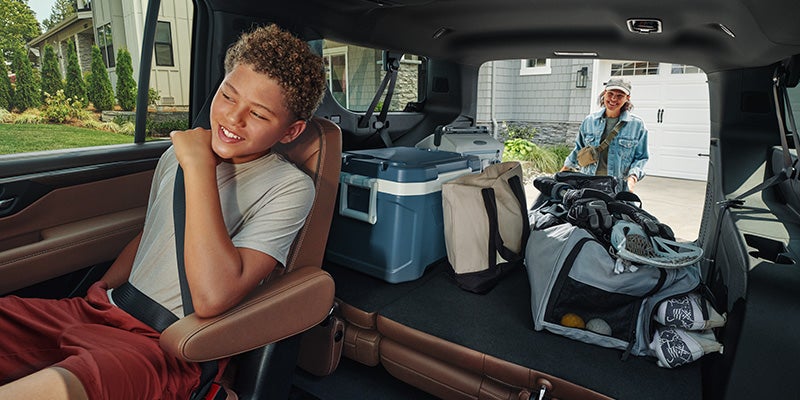
Families rarely start their search looking for a full-size SUV. Most begin in a midsize model and only start considering something larger when space becomes a daily frustration. That shift usually happens when the third row becomes less usable, cargo space disappears with passengers onboard, or everyday routines start to feel cramped. The Chevy Suburban exists for that exact transition point. It is not just a larger SUV. It is designed differently to solve space limitations that standard SUVs cannot address. The key question is not simply how big it is, but whether that added size translates into real-world usability for your family. Why Families Start Outgrowing Standard SUVs Many families ask when it actually makes sense to move beyond a standard SUV. A standard SUV is typically a midsize vehicle designed to balance passenger space, cargo capacity, and maneuverability within a shorter wheelbase. That balance works well until space demands increase. Families often begin to feel the limitations when more • The third row is needed regularly instead of occasionally • Cargo space disappears when all seats are occupied • Car seats, sports gear, or travel luggage compete for the same space • Passengers in the third row feel cramped on longer drives In most midsize SUVs, the third row is designed as a flexible extension rather than a primary seating area. This means legroom is reduced and cargo space behind that row becomes minimal. The shift toward a Chevy Suburban usually happens when families need all seating positions and cargo space to function at the same time, not in rotation. How Chevy Suburban Interior Space Works Across All Rows Many shoppers researching the Chevy Suburban ask how many seats it has and whether those seats are actually usable. The Chevy Suburban seating capacity typically accommodates up to nine passengers depending on configuration, with three rows designed to be used consistently rather than occasionally. What separates the Chevy Suburban interior from smaller SUVs is how its length is distributed. The Suburban’s extended wheelbase allows for • Full third-row legroom that supports adult passengers • Increased distance between rows for easier access and comfort • Substantial cargo space behind the third row even when all seats are occupied This is where the Suburban solves a key limitation found in smaller SUVs. Instead of choosing between passengers and cargo, families can carry both without compromise. From a technical standpoint, the Chevy Suburban independent rear suspension plays a major role here. By allowing the rear wheels to move independently, the suspension system lowers the rear floor height. This creates more vertical cargo space and improves ride comfort for passengers in the third row. For families, that translates into a smoother ride and more usable space in the areas that matter most. How Seating Flexibility Supports Changing Family Needs Space alone is not enough. Families also need flexibility in how that space is used day to day. Many drivers ask how seating configurations affect real-world usability. Seating flexibility refers to how easily rows can be adjusted, folded, or reconfigured to support different combinations of passengers and cargo. The Chevy Suburban interior is designed to adapt quickly. Second-row configurations can include bench seating or captain’s chairs, depending on how families prioritize seating capacity versus ease of access. Folding mechanisms in both the second and third rows allow the Suburban to transition between passenger-focused and cargo-focused setups without complex adjustments. This becomes especially useful in real-life situations such as • School drop-offs where multiple seating positions are used daily • Weekend travel where cargo and passengers must coexist • Home projects or large-item transport requiring expanded cargo space The key difference is that these adjustments do not feel like compromises. The Suburban is designed to handle these shifts without sacrificing comfort or accessibility. When Moving to a Chevy Suburban Actually Makes Sense One of the most common questions families ask is whether a Chevy Suburban is too much vehicle for their needs. The answer depends on how often space limitations are impacting daily life. A Chevy Suburban becomes the right fit when • All seating rows are used frequently, not occasionally • Cargo needs remain high even with passengers onboard • Long-distance travel requires consistent comfort across all rows • Family routines involve gear, equipment, or multiple passengers at once If those conditions are not present, a midsize SUV may still provide the right balance. However, when those limitations start to appear regularly, the Suburban’s design begins to make more sense. It is not about having the largest vehicle available. It is about removing the need to constantly adjust, rearrange, or compromise space. What to Consider About Driving and Living With a Full-Size SUV Many drivers hesitate when considering a full-size SUV because of concerns around drivability. A full-size SUV is a longer and wider vehicle with a larger wheelbase designed to improve interior space and stability. That added size does change how the vehicle feels on the road, but not always in the way drivers expect. The Chevy Suburban wheelbase contributes to a more stable ride, especially on highways and longer trips. The extended length helps distribute weight more evenly, which reduces body movement and improves overall comfort. However, there are practical considerations to evaluate • Turning radius is larger than a midsize SUV, requiring more space in tighter areas • Parking requires more awareness of vehicle length • Garage and driveway space should be considered before purchasing At the same time, modern driver assistance features and camera systems help offset many of these concerns. Visibility improvements and parking aids make daily driving more manageable than the size alone might suggest. For many families, the trade-off becomes clear over time. The added effort in maneuverability is balanced by the consistent benefit of having space that works in every situation. How the Chevy Suburban Changes Everyday Family Use The difference between a midsize SUV and a Chevy Suburban is not just measurable in dimensions. It is felt in how daily routines function. When space is no longer a limitation, decisions become easier. Passengers can sit comfortably without negotiation. Cargo can be loaded without rearranging seating. Travel becomes more predictable because the vehicle supports the plan instead of restricting it. That is the core purpose of the Suburban’s design. It is built for families who have reached the point where flexibility is no longer optional. It becomes a requirement. Understanding that distinction helps determine whether moving into a full-size SUV is the right decision. When the need for space is consistent, the Chevy Suburban provides a solution that standard SUVs are not designed to match.

Spring Maintenance Checklist for Chevrolet Vehicles

Seasonal changes affect more than road conditions. They also influence how vehicle systems perform and how quickly components wear. Many Chevrolet owners search for a spring maintenance checklist because winter driving conditions often place additional strain on tires, batteries, braking systems, and engine fluids. As temperatures rise and travel increases, spring becomes an ideal time to reset key maintenance items and ensure a Chevrolet vehicle is ready for everyday driving and longer trips. Drivers often assume maintenance is only necessary when something begins to feel wrong. In reality, several important vehicle systems can gradually degrade after colder weather without creating immediate warning signs. A structured Chevrolet spring maintenance checklist helps identify wear early and restores the systems that support safe braking, engine performance, traction, and visibility. Why Spring Is a Reset Point for Chevrolet Vehicle Maintenance Many Chevrolet owners ask what maintenance should be done after winter driving. Spring maintenance focuses on evaluating components that experience the most seasonal stress, including tires, fluids, batteries, and visibility systems. Cold temperatures affect rubber materials, fluid viscosity, and battery chemistry. In addition, winter driving conditions such as road salt, potholes, and repeated short trips can accelerate wear on several vehicle systems. When temperatures stabilize in spring, inspecting these systems helps ensure that minor wear does not develop into larger mechanical problems. more A spring maintenance check also prepares Chevrolet vehicles for the type of driving that becomes more common during warmer months. Drivers often begin taking longer trips, commuting more frequently, or increasing recreational travel. Addressing maintenance items early in the season helps ensure that engine performance, braking response, and traction remain consistent during these higher mileage periods. How Chevrolet Tire Service Supports Handling, Braking, and Tread Life Tires are one of the most important components evaluated during spring vehicle maintenance. Many drivers researching seasonal service ask why tire rotation and tire inspection are recommended during this time of year. Temperature changes directly affect tire pressure because air expands and contracts as temperatures shift. When temperatures begin to rise in spring, tires that were previously underinflated during winter may now operate at different pressure levels. Improper tire pressure can affect braking distance, steering response, and tread wear. The Chevrolet tire rotation process helps ensure that each tire wears evenly across all four wheel positions. Front tires typically experience different wear patterns than rear tires due to steering forces and weight distribution. Rotating tires allows the tread surfaces to wear more uniformly, which improves long term traction and extends tire life. A spring tire inspection typically evaluates several factors that influence driving stability. • Tire pressure consistency across all four tires • Tread depth and tread wear patterns • Sidewall condition and potential damage • Alignment indicators such as uneven tread wear For Chevrolet owners, maintaining proper tire condition supports stable handling during highway driving and improves braking performance in wet spring weather. Why Chevrolet Oil and Filter Service Protects Engine Performance Another common question drivers ask when reviewing a spring maintenance checklist is whether oil service is necessary if the vehicle is running normally. Engine oil performs several critical mechanical functions inside a Chevrolet engine. It lubricates moving components, reduces friction between metal surfaces, and helps carry heat away from internal engine parts. Over time, oil collects contaminants such as combustion byproducts and microscopic metal particles created through normal engine operation. Short trips and stop and go driving, which are common during colder months, can accelerate oil contamination. These driving conditions prevent the engine from reaching full operating temperature for extended periods, which reduces the oil’s ability to burn off moisture and contaminants. Replacing engine oil and the oil filter in spring restores the lubrication system and ensures that internal components continue operating smoothly. Clean oil allows the engine to maintain proper friction control and temperature regulation during everyday driving. For Chevrolet vehicles preparing for increased warm weather driving, fresh oil and filtration help maintain engine efficiency and long term durability. How Battery Health Affects Starting Performance After Winter Many drivers assume a battery only needs attention once a vehicle struggles to start. In reality, battery performance often begins to decline long before symptoms become noticeable. Cold temperatures place additional stress on automotive batteries because chemical reactions inside the battery slow down in lower temperatures. When this happens, the battery must work harder to deliver the electrical power required to start the engine. Repeated cold starts throughout winter can gradually reduce battery capacity. Spring is a practical time to test the Chevrolet battery and starting system because warmer weather reveals whether the battery still maintains adequate reserve power. A battery that barely survived winter may struggle once summer heat begins to accelerate internal battery degradation. Testing battery condition allows technicians to measure voltage output and starting performance. Identifying a weakened battery early helps prevent unexpected starting issues during everyday driving or longer trips. How Wiper Blade and Brake Checks Improve Spring Driving Safety Visibility and braking performance are two additional areas that deserve attention during spring maintenance. Windshield wiper blades often degrade during colder months because rubber edges can stiffen or crack when exposed to freezing temperatures. Once spring rain begins, worn wiper blades may produce streaks or leave areas of the windshield uncleared. Reduced visibility can make it harder to react quickly to changing traffic conditions. Replacing worn wiper blades restores consistent contact between the blade and the windshield surface, allowing rain and road spray to clear more effectively. Brake inspections are equally important during seasonal maintenance. Brake pads and rotors gradually wear through normal use, and winter road conditions can accelerate that wear. Potholes, road debris, and frequent braking on slick roads all contribute to brake component stress. A brake inspection typically evaluates several elements that influence stopping performance. • Brake pad thickness • Rotor surface condition • Brake fluid levels • Brake line integrity Maintaining strong braking performance ensures that Chevrolet vehicles respond predictably in both dry and wet driving conditions. Why a Chevrolet Multi Point Inspection Helps Identify Problems Early Many drivers ask whether a multi point inspection is simply a routine service add on or if it plays a meaningful role in vehicle maintenance. A multi point inspection is a structured evaluation performed by trained technicians that reviews several critical systems throughout the vehicle. Instead of focusing on a single component, the inspection provides a broader assessment of overall vehicle condition. During a Chevrolet multi point inspection, technicians typically examine tires, brakes, battery health, fluid levels, filters, and visibility systems. By reviewing multiple components at once, technicians can identify early signs of wear that may not yet affect driving performance. Spring is an ideal time for this type of inspection because it allows technicians to evaluate the cumulative effects of winter driving conditions. Identifying issues such as uneven tire wear, declining battery performance, or worn wiper blades early allows drivers to address those concerns before they interfere with everyday driving. For Chevrolet owners, a structured spring maintenance checklist supported by a comprehensive inspection provides a practical way to maintain vehicle reliability and safety as driving conditions change.

Chevrolet Lease vs Finance How to Decide Which Option Fits Your Driving and Budget

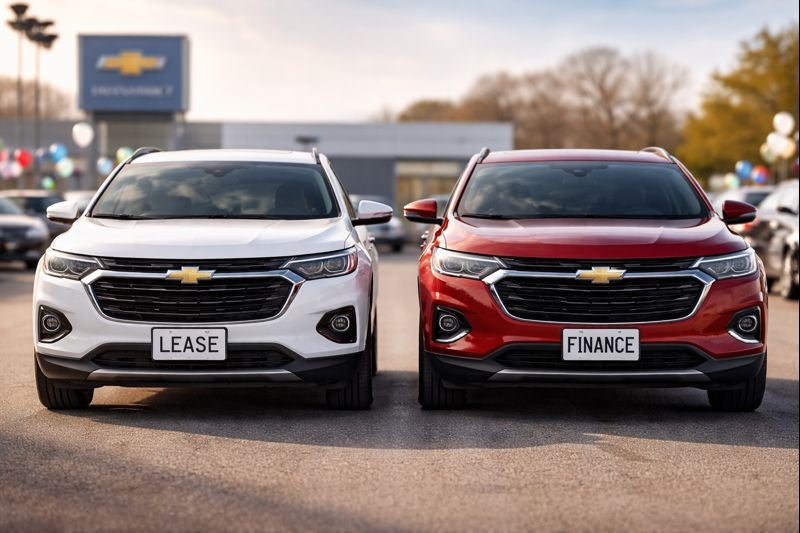
Choosing between leasing and financing a Chevrolet is not about which option is better universally. It is about which structure aligns with how the vehicle will be used, how long it will be kept, and how predictable monthly costs need to be. Both options are designed around different ownership behaviors, and understanding how each works helps drivers avoid mismatched commitments. This decision becomes clearer when the mechanics behind leasing and financing are understood rather than compared at a surface level. The Structural Difference Between Leasing and Financing Leasing and financing are fundamentally different financial agreements. When financing a vehicle: more You are purchasing the vehicle over time Monthly payments reduce the loan balance Ownership equity builds as the loan is paid down The vehicle belongs to you once the loan is satisfied When leasing a vehicle: You are paying for the portion of the vehicle’s value used during the lease term Payments are based on depreciation rather than full vehicle cost The vehicle is returned at the end of the lease unless purchased No ownership equity is built during the lease term These differences influence cost behavior, flexibility, and long-term value. Why Leasing Often Has Lower Monthly Payments Lease payments are typically lower because they are calculated differently than loan payments. Lease payments are influenced by: Vehicle depreciation over the lease term Residual value at lease end Lease term length Money factor or interest equivalent Because only a portion of the vehicle’s value is being paid, monthly costs are often lower than financing the full purchase price. When Leasing a Chevrolet Makes Sense Leasing tends to fit drivers who prioritize predictability and short-term commitments. Leasing may make sense if: You prefer driving newer vehicles every few years Annual mileage is consistent and within lease limits You want lower monthly payments Long-term ownership is not a priority You value warranty coverage throughout ownership For drivers who maintain steady driving patterns, leasing offers cost stability and access to newer technology. The Tradeoffs and Limitations of Leasing Leasing introduces constraints that do not exist with financing. Common lease limitations include: Annual mileage caps Wear and condition standards at lease return Fees for excess mileage or damage Limited flexibility for vehicle modification No equity at lease end unless purchased Drivers with unpredictable mileage or changing transportation needs may find these limitations restrictive. How Financing Builds Long-Term Value Financing emphasizes ownership and long-term cost efficiency. Key advantages of financing include: Equity accumulation over time No mileage restrictions Freedom to keep the vehicle as long as desired Lower total cost over extended ownership Flexibility to sell or trade at any time Although monthly payments are often higher than leasing, financing spreads full ownership cost across the loan term rather than compressing usage into a shorter period. When Financing a Chevrolet Makes More Sense Financing is often the better option for drivers who plan to keep their vehicle long term. Financing may be the right choice if: You drive high annual mileage You plan to keep the vehicle beyond five years You want payment freedom after the loan is paid off You value ownership equity You want flexibility without contractual usage limits For long-term owners, financing typically results in lower overall cost despite higher initial payments. Depreciation and Long-Term Cost Behavior Depreciation affects leasing and financing differently. With leasing: Depreciation cost is prepaid during the lease You are protected from long-term resale value changes Cost is predictable but finite With financing: Depreciation occurs gradually over ownership Long-term ownership reduces effective cost Value remains if the vehicle is kept beyond loan payoff Understanding depreciation helps explain why financing becomes more cost-effective over time. Mileage and Usage Patterns Matter Most Driving habits are often the deciding factor between leasing and financing. Consider: Annual mileage averages Frequency of long-distance travel Changes in commute or lifestyle Vehicle usage for work or family needs Drivers who exceed typical lease mileage thresholds often benefit more from financing. Ownership Flexibility and Exit Options Financing offers greater exit flexibility. With financing: Vehicles can be sold or traded at any time Loan balances can be managed independently Ownership decisions are not bound by contract terms Leasing limits exit options and may involve penalties for early termination. Making the Right Choice The right decision depends on aligning financial structure with driving reality. Leasing emphasizes: Short-term usage Lower monthly cost Predictable ownership windows Financing emphasizes: Long-term value Ownership control Usage flexibility Understanding how these structures function allows drivers to choose based on behavior rather than payment alone. Final Ownership Perspective Leasing and financing serve different purposes within the Chevrolet lineup under General Motors. Neither option is inherently better. The best choice is the one that supports how the vehicle will actually be driven, maintained, and kept. Drivers who evaluate usage patterns, ownership timelines, and budget stability make more confident decisions and avoid unnecessary financial tradeoffs.

How Often Should You Service Your Chevrolet in Oklahoma Weather

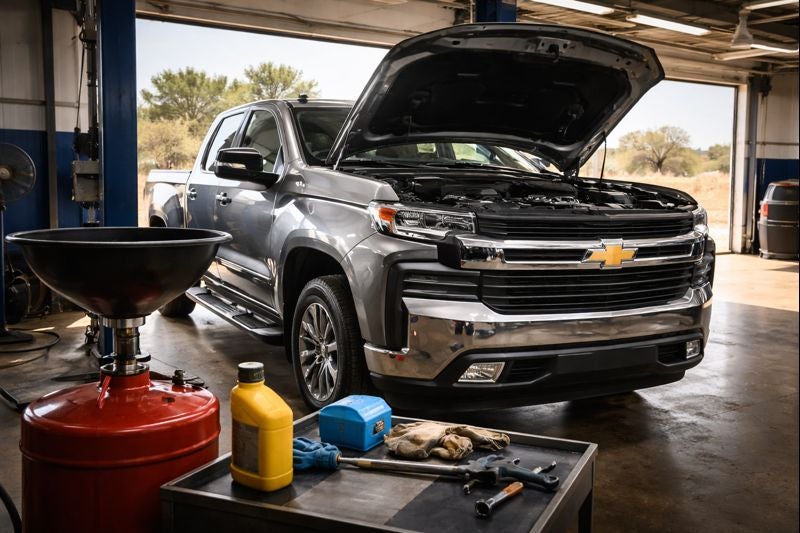
Chevrolet service schedules are designed around how a vehicle is actually used, not just how many miles it has traveled. In Oklahoma, weather and driving conditions play a significant role in how often maintenance should be performed. Heat, dust, sudden temperature changes, heavy rain, and frequent short trips all place additional stress on vehicle systems. Understanding how these factors interact with GM’s recommended maintenance schedule helps owners protect long term reliability and avoid preventable repairs. How Chevrolet Service Schedules Are Structured Chevrolet maintenance guidance is built around two primary usage categories: normal driving conditions and severe driving conditions. Many owners assume they fall under normal use, but GM defines severe conditions more broadly than most drivers expect. Normal driving typically involves: Consistent highway speeds Moderate temperatures Minimal stop and go traffic Limited exposure to dust or debris Severe driving conditions include: more Frequent short trips where the engine does not fully warm up Stop and go traffic and extended idling Driving in hot climates Dusty or windy environments Towing or hauling loads Driving on rough or poorly maintained roads For many Oklahoma drivers, daily use aligns more closely with severe driving conditions, even if the vehicle is never used for towing or heavy work. Oklahoma Weather and Its Impact on Vehicle Wear Oklahoma’s climate introduces multiple stressors that accelerate wear across key systems. Extended heat places additional strain on engine oil, cooling systems, and batteries. Dust and wind increase air filter contamination and can affect engine efficiency if not addressed regularly. Temperature swings can also impact: Rubber hoses and belts Seals and gaskets Tire pressure and suspension components These factors do not cause immediate failures, but they shorten service intervals compared to ideal driving conditions. Oil Change Intervals and Oil Life Monitoring Modern Chevrolet vehicles use an oil life monitoring system that adjusts service reminders based on driving behavior, engine temperature, and operating conditions. This system is more accurate than a fixed mileage estimate, but it assumes the vehicle is being monitored and serviced when alerts appear. In Oklahoma conditions, oil life often degrades faster due to: High ambient temperatures Short trip driving Extended idling during traffic or extreme heat Even if mileage is low, time-based oil changes still matter. Oil can degrade due to heat and moisture accumulation, especially when engines are frequently shut off before reaching full operating temperature. Brake, Tire, and Suspension Considerations Stop and go driving, combined with changing road conditions, affects braking systems more than steady highway travel. Brake components wear faster when subjected to repeated low speed stops, which is common in city and suburban driving. Tires and suspension components are also influenced by: Rapid temperature changes Rough pavement Debris and uneven road surfaces Regular inspections help identify uneven wear patterns early, reducing the likelihood of more extensive repairs later. Cooling System and Engine Protection In hot climates, cooling system health becomes critical. Radiators, coolant hoses, and thermostats must function properly to maintain safe engine operating temperatures. Over time, coolant loses its protective properties and should be serviced according to GM guidelines rather than ignored until a problem appears. Preventative cooling system maintenance helps: Maintain consistent engine temperature Protect internal engine components Reduce the risk of overheating during extreme heat Transmission and Drivetrain Maintenance Transmission service intervals are often misunderstood because problems do not appear immediately when fluid begins to degrade. Heat is one of the primary contributors to transmission wear, and Oklahoma temperatures can accelerate fluid breakdown. Regular inspections and fluid service at recommended intervals help preserve: Smooth shifting Internal component lubrication Long term drivetrain durability This is especially important for vehicles used in stop and go traffic or for light towing, even if towing is infrequent. Why Delaying Maintenance Creates Bigger Problems Delaying recommended service does not usually cause immediate failure, which can create a false sense of security. Over time, however, minor wear compounds into larger issues that are more expensive to address. Common long term consequences of delayed maintenance include: Reduced fuel efficiency Increased engine wear Premature brake and suspension failure Higher likelihood of breakdowns during extreme weather Preventative maintenance is designed to address wear before it becomes visible or disruptive. Adjusting Maintenance Expectations for Oklahoma Drivers For most Chevrolet owners in Oklahoma, following a severe service schedule is the safer approach. This does not mean over servicing a vehicle, but rather servicing it in a way that reflects actual driving conditions. Key practices include: Monitoring oil life alerts and servicing promptly Scheduling regular inspections even when mileage is low Addressing filters, fluids, and wear items proactively Considering time based service in addition to mileage These practices support long term reliability and help ensure the vehicle performs consistently throughout the year. Final Perspective Chevrolet service schedules are designed to protect vehicles under real world conditions, and Oklahoma weather often qualifies as severe use. Heat, dust, short trips, and variable road conditions accelerate wear across multiple systems. Understanding how these factors affect maintenance intervals allows owners to service their vehicles at the right time, not just at the most convenient time. Staying aligned with GM recommended maintenance, while accounting for local driving conditions, helps preserve performance, reliability, and long term ownership value.

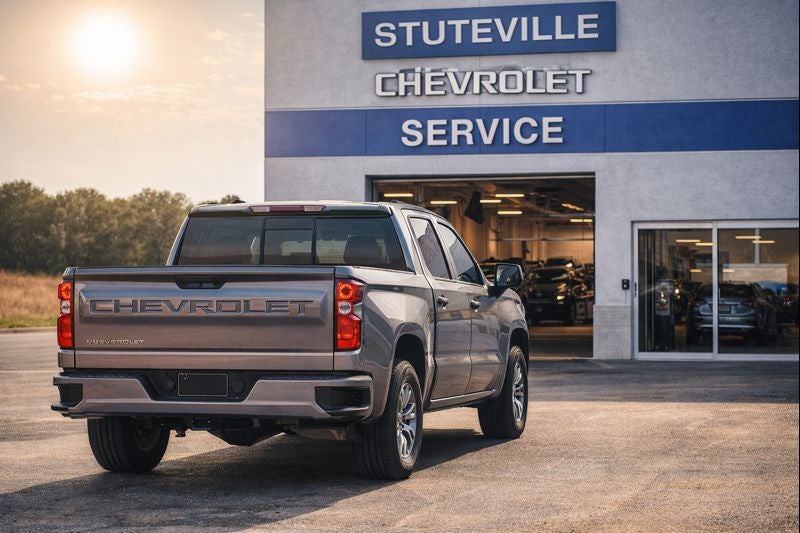
Silver Chevrolet Silverado parked outside the Stuteville Chevrolet service department during routine maintenance in Oklahoma

How Often Should You Service Your Chevrolet in Oklahoma Weather

Chevrolet vehicles are engineered with clear service guidance, but how often your vehicle actually needs maintenance depends heavily on how and where it is driven. In Oklahoma, weather and driving conditions introduce additional stress on engines, transmissions, cooling systems, and braking components that can shorten service intervals compared to national averages. Understanding how Chevrolet designs its maintenance schedules helps owners make informed decisions that protect long-term reliability rather than relying on a one-size-fits-all mileage number. Chevrolet Service Schedules Explained Chevrolet maintenance schedules are built around two driving categories: normal driving and severe driving. Many Oklahoma drivers fall into the severe category even if they do not consider their driving habits extreme. Severe driving conditions include: more Frequent short trips that prevent the engine from fully warming Extended idling in traffic or during hot weather Towing or hauling loads Dusty or rural road conditions High heat followed by sudden temperature changes Oklahoma’s climate routinely checks several of these boxes, which means service intervals often need to be shorter than the minimum listed in generic charts. Oil Change Intervals and Oil Life Monitoring Modern Chevrolet vehicles rely on an oil life monitoring system rather than a fixed mileage interval. This system tracks engine temperature, load, idle time, and driving behavior to determine oil degradation. In Oklahoma conditions, oil tends to degrade faster due to: High ambient temperatures that accelerate oil breakdown Stop-and-go traffic that increases heat cycles Short trips that allow moisture and fuel dilution to remain in the oil While some drivers may reach longer intervals, many vehicles will indicate the need for an oil change closer to 5,000 miles under real-world conditions. Ignoring oil life alerts increases the risk of internal engine wear, particularly in engines with variable valve timing or turbocharging. Cooling System and Heat Management Heat is one of the most significant mechanical stressors for vehicles in Oklahoma. Chevrolet cooling systems are designed to manage high operating temperatures, but they rely on proper maintenance to function correctly. Service considerations include: Coolant condition and concentration Radiator and condenser airflow Thermostat operation Electric cooling fan performance Skipping cooling system inspections can lead to overheating, reduced engine efficiency, and long-term gasket or component damage. Transmission and Drivetrain Service Automatic transmissions are sensitive to heat and load. Oklahoma driving conditions such as towing, highway merging, and summer heat increase transmission fluid temperatures. Transmission service intervals are influenced by: Towing frequency Payload use Driving in high temperatures Stop-and-go operation While some Chevrolet transmissions are marketed as filled for life, fluid condition still matters. Periodic inspection and service help prevent shifting issues and internal wear that can become costly if ignored. Brake System Wear in Regional Driving Brake wear is affected by both driving style and environment. Oklahoma drivers often experience faster brake wear due to: Sudden weather changes requiring frequent braking adjustments Highway driving mixed with city traffic Towing or hauling increasing stopping demands Regular brake inspections help catch pad wear, rotor scoring, and caliper issues before they lead to reduced braking performance or higher repair costs. Tire and Suspension Maintenance Road surface conditions, temperature swings, and alignment changes all impact tire and suspension longevity. Routine service checks should include: Tire rotation and balance Alignment inspections Suspension component wear Steering system condition Ignoring these items can lead to uneven tire wear, reduced fuel efficiency, and compromised vehicle stability. Why Preventive Service Matters More Than Mileage Chevrolet service schedules are designed to prevent failures rather than react to them. Preventive maintenance reduces long-term ownership costs by addressing wear before it becomes damage. Common consequences of skipped service include: Accelerated engine wear Transmission performance issues Cooling system failures Reduced braking efficiency Following a service schedule adapted to Oklahoma conditions helps maintain performance, reliability, and resale value. Ownership Perspective for Oklahoma Chevrolet Drivers How often you should service your Chevrolet depends less on the calendar and more on how your vehicle is used in real-world conditions. Oklahoma heat, driving patterns, and environmental factors place vehicles under greater stress than mild climates. Drivers who adjust service intervals to match these conditions experience fewer unexpected repairs and longer vehicle life. Understanding and following Chevrolet’s maintenance guidance through a service department familiar with local conditions helps ensure your vehicle remains dependable year after year.

The 2026 Chevrolet Silverado 1500

Exploring the 2026 Chevrolet Silverado 1500: Trim Levels Breakdown

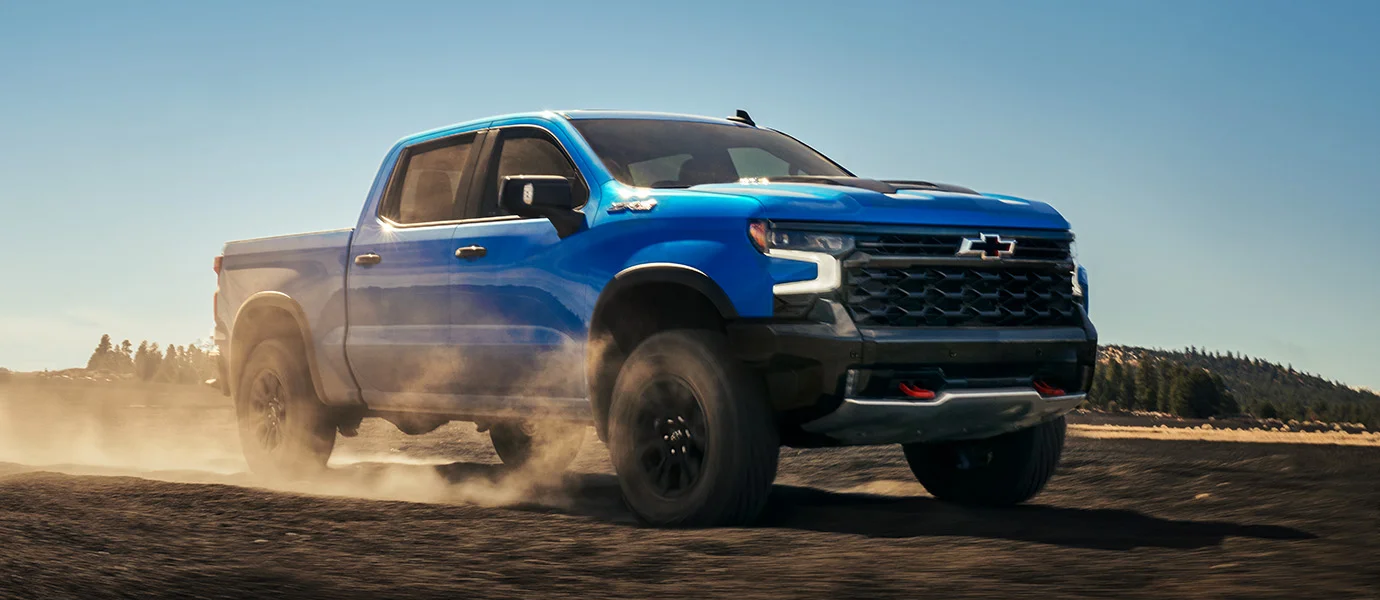
Image via Stuteville Chevrolet. The 2026 Chevrolet Silverado 1500 delivers the best of both worlds—rugged durability and advanced technology—offering something for every type of driver. Whether you need a workhorse for the job site, a sleek, street-ready truck, or a performance machine for off-road adventures, the Silverado 1500 offers a variety of trim levels designed to fit your needs. Here’s a breakdown of the impressive trims available at Stuteville Chevrolet in Durant, OK. more WT The Silverado 1500 WT (Work Truck) is the ideal solution for those who need a reliable vehicle for tough tasks without the added frills. Equipped with a TurboMax engine providing 430 lb‑ft of torque, the WT is engineered to tackle any job with ease. Its 12 tie-downs in the Durabed ensure secure cargo transport, and the standard Chevrolet Safety Assist features offer peace of mind when driving through Durant's streets or beyond. Custom For a bit more style and utility, the 2026 Silverado 1500 Custom adds a touch of flair with 20-inch wheels and a 10-way power driver’s seat. This trim delivers essential work capabilities with a bold exterior, perfect for both the job site and the streets of Durant. The EZ Lift tailgate ensures effortless loading and unloading, while the optional turbo engine provides optimal performance for the daily grind. LT The LT trim represents a balanced mix of performance and comfort. With a 13.4-inch touchscreen and a 12.3-inch digital driver’s display, the LT is ideal for those who value convenience. Its LED reflector headlamps illuminate the road, while the available Safety Package enhances the driving experience with Surround Vision technology. The LT is a versatile truck designed to meet the needs of Durant drivers, whether they’re commuting or taking a weekend getaway. RST For drivers who want a truck that stands out, the RST (Rally Sport Truck) trim makes a statement with bold black accents and body-color door handles. Powered by the 6.2L EcoTec3 V8 engine, it delivers thrilling performance on the highway and beyond. The RST is equipped with the latest technology, including available wireless charging and a wireless smartphone integration system, making it as tech-savvy as it is powerful. This trim is built for those who want both performance and style. LTZ Luxury meets strength with the LTZ trim. This model boasts leather-appointed seating, 20-inch painted-aluminum wheels, and advanced technology, including an 8-camera system providing up to 14 different views for enhanced safety. For drivers who demand a combination of premium features and performance, the LTZ delivers. Available Super Cruise hands-free driving with trailering support makes it a sophisticated choice for those who frequently tow and travel long distances. High Country For those who desire ultimate luxury, the High Country trim offers a premium experience that is hard to beat. From open-pore wood trim to full-grain leather seating, the interior exudes sophistication. The 6.2L V8 engine provides unmatched towing capability, while the truck’s overall refinement ensures a comfortable, stylish ride. Whether driving through Durant or embarking on longer road trips, the High Country elevates your experience with superior amenities and cutting-edge technology. ZR2 The 2026 Silverado 1500 ZR2 takes off-road performance to a new level. Equipped with Multimatic DSSV dampers, front and rear electronic locking differentials, and 33-inch all-terrain tires, it’s designed to conquer the most rugged terrains. With a factory suspension lift and advanced off-road features, the ZR2 is perfect for drivers who enjoy exploring the untamed outdoors. It’s the ultimate performance truck for those who seek thrills beyond the beaten path. LT Trail Boss The LT Trail Boss is built for those who need off-road prowess with added refinement. With a factory-installed 2-inch suspension lift, all-terrain tires, and the Z71 Off-Road Package, the LT Trail Boss is made for rugged adventures. It combines the toughness of a work truck with the technology and comfort expected from the LT trim. Whether you’re navigating rough trails or making your way through Durant’s winding roads, the LT Trail Boss has you covered. Custom Trail Boss The 2026 Silverado 1500 Custom Trail Boss brings the same rugged capabilities of the LT Trail Boss but with a more aggressive stance and a simplified design. The 2-inch lift and Z71 Off-Road Package provide the power and durability needed for off-roading, while the aggressive black grille and raised hood insert make a bold statement. This trim delivers an exciting performance without the excess, allowing you to tackle the outdoors with style. The 2026 Chevrolet Silverado 1500 is built to cater to a wide range of drivers. Whether you're looking for work-ready reliability, refined luxury, off-road adventure, or cutting-edge technology, there's a trim level for you. At Stuteville Chevrolet in Durant, OK, we invite you to explore the complete Silverado 1500 lineup. Each trim offers unique features that provide the versatility, capability, and comfort you need. Visit us today and find the Silverado that matches your lifestyle.

The 2026 Chevrolet Equinox

The 2026 Chevrolet Equinox: An Elevated Experience

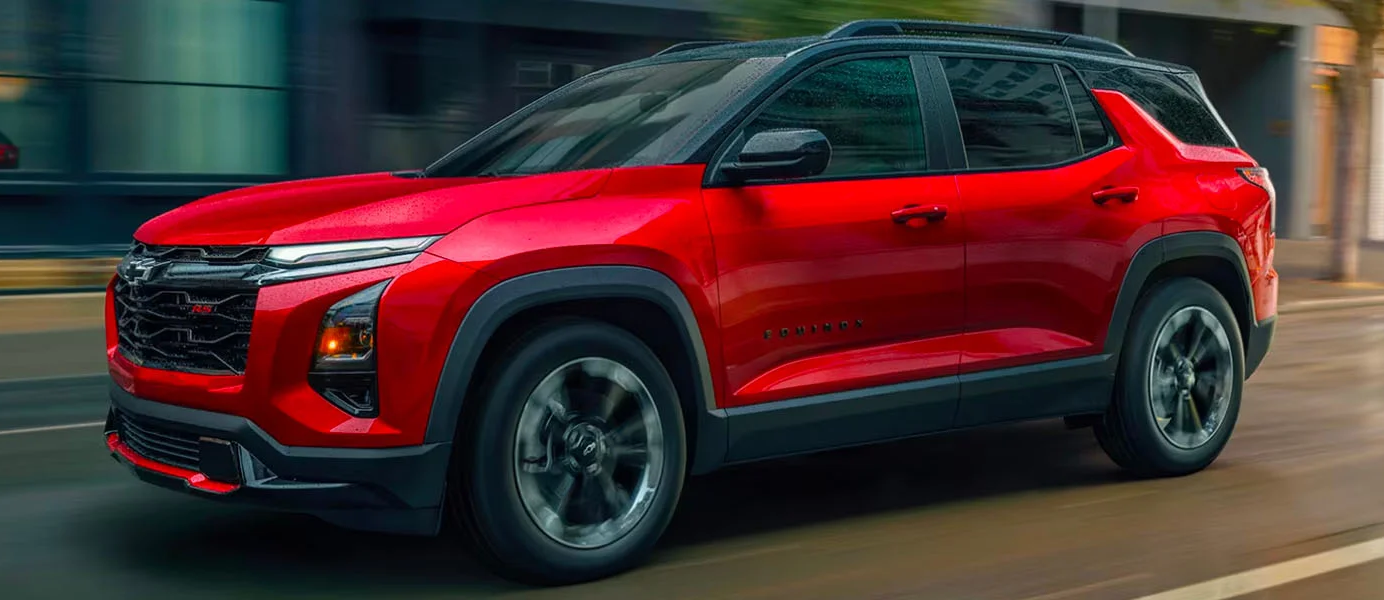
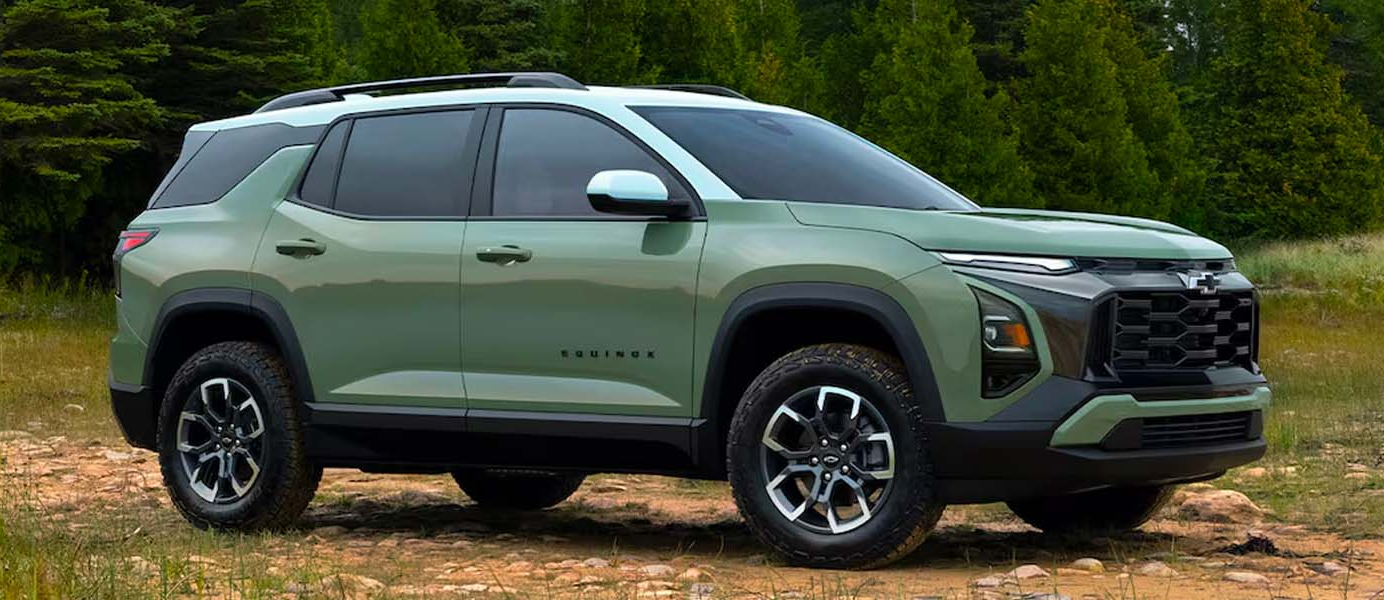
Image via Stuteville Chevrolet. Anticipation swirls around the 2026 Chevrolet Equinox as it emerges at Stuteville Chevrolet in Durant, OK with fresh refinements and advanced capabilities. Distinct from its predecessors, this compact SUV invites drivers into a realm of subtle innovation—an amalgam of refined design, premium tech, and thoughtful practicality. Read on as we dissect how Chevrolet elevates the Equinox across trims, safety, and technology, combining expertise with a local dealership’s hands‑on context. more Trim Levels Durant Drivers Will Notice The 2026 Equinox offers selectable trim levels crafted to suit diverse lifestyles. At the base, the LT blends a practical turbo‑1.5‑liter engine, sleek LED lighting, and integral driver display. Moving upward, the RS adds sport‑driven accents and 19‑inch wheels, while the ACTIV enhances rugged appeal with all‑terrain tires and ground clearance. Chevrolet’s strategy here is lucid: provide tailored experiences without compromising the cohesive DNA of the Equinox across editions. Safety Features Seen on Durant Roads Safety technology has been intensified for the 2026 model. Every Equinox includes Chevrolet Safety Assist, a suite of core systems such as automatic emergency braking, front pedestrian detection, and lane‑keep assist. Available enhancements like HD Surround Vision and rear cross‑traffic braking elevate visibility and peace of mind. At Stuteville Chevrolet, we highlight these systems because they underpin the Equinox’s intent to protect drivers across the varied roads of Durant and beyond. Updated Technology for Connected Journeys Inside the 2026 Equinox, the cabin becomes a nexus of connectivity and convenience. A new 11.3‑inch touchscreen and an 11‑inch digital driver display dominate the dashboard, while Google built‑in, wireless smartphone integration, and Wi‑Fi hotspot capability keep occupants seamlessly engaged. Optional refinements such as a wireless charger and integrated navigation enhance the user experience. At our Durant dealership, we invite drivers to explore how these features respond to modern demands—whether commuting through Oklahoma plains or navigating weekend detours. Interior Comfort and Every‑Day Utility Comfort meets functionality in the 2026 Equinox’s interior. With seating for five and up to 63.9 cubic feet of cargo space when the rear seats fold, the architecture supports family life, daily commutes, and weekend errands alike. Materials across trims—from Evotex upholstery in the RS to durable cloth in the LT—reflect Chevrolet’s layered approach to design. At Stuteville Chevrolet, we examine how this adaptability fits our local clientele’s habits, whether hauling gear or driving to town. At Stuteville Chevrolet in Durant, OK, we invite you to explore the 2026 Chevrolet Equinox in person. Understand each trim nuance, experience the safety technologies and connectivity features firsthand, and envision how this SUV aligns with your lifestyle. The 2026 Equinox arrives with purpose—and the potential to become your next trustworthy travel companion.

What’s New for Chevrolet in 2026?

What’s New for Chevrolet in 2026?

Image via Stuteville Chevrolet. As Chevrolet continues to push the boundaries of innovation, 2026 brings a host of exciting updates and new models to the lineup. Whether you're looking for the bold performance of the Chevrolet Corvette, the practicality of the Chevrolet Equinox, or the groundbreaking capabilities of the Silverado EV, there's something for every driver. At Stuteville Chevrolet in Durant, OK, we're thrilled to introduce these exciting updates and help you discover the perfect Chevy to match your needs. Read on to learn about the standout vehicles making their mark in 2026. more Chevrolet Equinox The 2026 Chevrolet Equinox emerges with refined edges and a bolder presence, offering a two‑tone roof option and streamlined taillamps that draw the eye. Inside, the RS and ACTIV trims bring updated surfaces and advanced infotainment—perfect for weaving through Durant’s streets or cruising beyond. The refreshed urban‑friendly styling blends effortlessly with the rigours of everyday driving. Chevrolet Traverse Chevrolet’s three‑row 2026 Traverse pursues versatility with new turbocharged powertrains and cavernous cargo space while remaining a sanctuary for families in the OK region. A 17.7‑inch touchscreen anchors the cockpit, and Super Cruise® hands‑free driving is available on compatible highways—offering peace of mind on longer hauls. At Stuteville Chevrolet, this year’s Traverse arrives with both substance and polish. Chevrolet Silverado EV The 2026 Chevrolet Silverado EV continues to redefine capability—especially with the new Trail Boss edition. That version boasts 725 hp, 775 lb‑ft of torque and an estimated 478‑mile range under ideal conditions. For drivers around Durant eyeing electric power without compromise, this is a truck that bridges the gap between heavy‑duty utility and zero‑emission ambition. Chevrolet Corvette In 2026 the Corvette evolves once more: the newly introduced ZR1X blends a twin‑turbo V8 with electric assistance to achieve over 1,200 hp and a sub‑2‑second 0‑60 mph time. Inside, a 14‑inch portrait infotainment screen, 12.7‑inch instrument display and optional carbon‑fibre finishes upgrade the cabin. While rare, its arrival signifies Chevrolet’s dedication to visceral performance and high‑end craftsmanship. Chevrolet Blazer EV The 2026 Blazer EV may not dominate headlines, but its refined updates and sharper color palette underscore Chevrolet’s electric strategy. The subtle facelift includes new Tech Bronze accents and improved efficiency, making this crossover a smart choice for eco‑aware drivers who demand versatility. As electric charging infrastructure expands, a model like this aligns with the evolving needs of drivers around Durant. Each of these models exemplifies Chevrolet’s commitment to innovation, performance and everyday utility. At Stuteville Chevrolet in Durant, OK, we’re ready to guide you through the 2026 lineup and help you discover which Chevrolet fits your lifestyle. Whether you commute locally, tow on weekends or simply seek driving exhilaration—the new Chevrolet range is richer and more accessible than ever. Let us help you get behind the wheel of what’s next.

Chevrolet Tire Maintenance & Safety Tips | Stuteville Tire Durant OK

Maintaining your Chevrolet tires in Durant, OK isn’t just about ensuring a smooth ride—it’s essential to safety, fuel economy, and long-term vehicle performance. At Stuteville Chevrolet Tire in Durant, OK, we understand how Oklahoma roads and weather patterns can affect tire life. Whether you're commuting through downtown Durant or heading out for a road trip, having your tires properly maintained can make all the difference. more Why Tire Maintenance Matters for Every Chevrolet Driver Your tires are the only contact point between your Chevy and the road. Uneven wear, under-inflation, or alignment issues can compromise control and traction—especially in wet or icy conditions. At Stuteville Chevy of Durant, we make it our priority to keep your wheels road-ready. How Often Should You Check Your Tires? We recommend a monthly tire inspection, plus a full check before any long-distance travel. This ensures you’re driving on properly inflated, damage-free tires with safe tread levels. Here’s what you should look for: Tread Depth: Use a penny test or tread depth gauge. Replace if depth is below 2/32". Tire Pressure: Check PSI levels monthly and before road trips—underinflated tires reduce fuel economy and increase wear. Cracks or Bulges: Signs of dry rot or sidewall damage may indicate a need for immediate replacement. Uneven Wear: Could point to suspension or alignment issues—both of which we can diagnose and correct at Stuteville Tire Durant OK. Chevrolet Tire Rotation & Alignment Services in Durant One of the most overlooked services that greatly improves tire lifespan is regular rotation. Every 6,000–8,000 miles, your tires should be rotated to promote even wear. Benefits of rotating your tires with us: Enhances tread life Promotes balanced handling Reduces road noise Supports manufacturer warranty compliance Our Durant OK Chevrolet service center also offers computerized wheel alignment services. Misalignment can cause drifting, steering wheel vibration, and faster tread wear. At Stuteville Chevrolet, we use precision equipment to make sure your Chevy tracks straight and true. Seasonal Tire Care Tips for Oklahoma Drivers Durant’s weather can shift quickly from humid summers to frosty winters. That’s why tire performance and material response vary through the year. Summer: Check for overheating and tread softening on hot pavement. Winter: Keep tires properly inflated—air contracts in colder temps, often triggering tire pressure lights. Rainy seasons: Prioritize tread depth for maximum water evacuation and hydroplaning prevention. Consider all-season or weather-specific tires depending on your driving habits and conditions. Stuteville Tire experts are always available to help select the right fit for your lifestyle. When to Replace Your Chevrolet Tires If you're feeling vibrations, your vehicle is pulling to one side, or you're seeing the tread indicator bars flush with your tire, it's time to act. Our trained technicians can assess whether you need a simple rotation or a full replacement. We carry a full range of Chevrolet-approved tires at Stuteville Tire Durant OK, tailored to your model—whether you're driving a Silverado, Equinox, or Malibu. Visit Stuteville Tire in Durant, OK for Trusted Chevrolet Tire Care We take pride in keeping our customers safe and their vehicles in peak condition. From quick pressure checks to full tire replacements, Stuteville Tire is your local Chevrolet expert in Durant, OK. Stop by or schedule service today to stay ahead of tire wear and performance issues. Trust our team to help you keep your Chevrolet moving smoothly—mile after mile.

Contact Us

Fill out this form below and we'll contact you shortly
*Required Fields