Stuteville Chevrolet of Durant

Blog

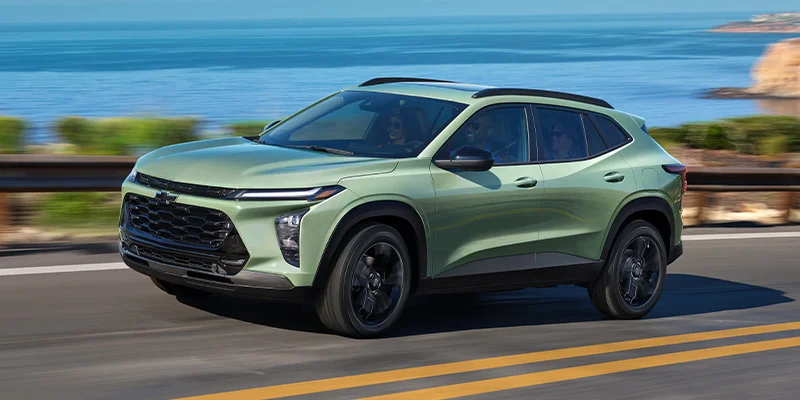
The 2025 Chevy Trax: Compact and Confident

This image has an empty alt attribute; its file name is image.png


The 2025 Chevy Trax is a stylish, comfortable, and fun-to-drive crossover SUV that provides great value for your money and is rapidly becoming one of the most popular family vehicles in the country. From your trusted Chevrolet dealership, here is a quick guide to the perks and features that will make you love this extraordinary model.

Comfort and Versatility

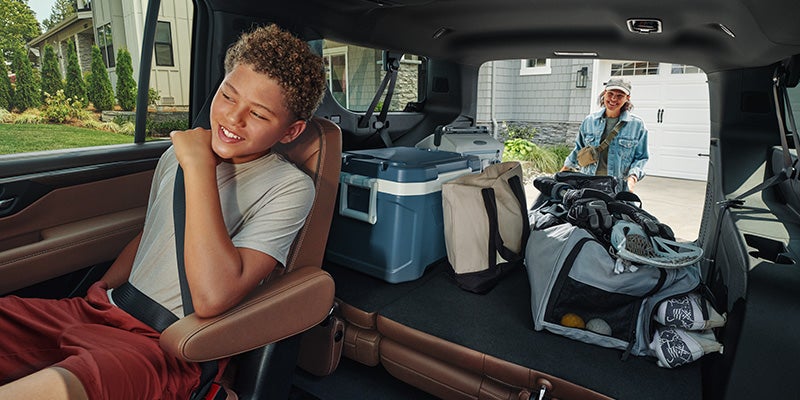
With a 106-inch wheelbase, the new Trax is compact enough to fit in tight parking spots, yet its interior is incredibly spacious and comfortable for up to five occupants. Available in five unique trims, this crossover SUV provides 41.9 inches of legroom in the driver and front passenger seats and 38.7 inches in the rear row, as well as foldable rear seat backs for a maximum cargo capacity of 54.1 cubic feet.

When it comes to comfort and convenience perks, the Trax has everything you need to take your loved ones on road trips and explore new destinations. Base models are equipped with a long list of standard convenience features, including assist handles, a single-zone manual climate control system, front-seat knee bolsters, and keyless entry. Other available perks include automatic climate control, power driver's seat adjustment, and remote start.

Performance and Efficiency

Powered by a 1.2-liter turbocharged engine across all trim levels, the new Chevy Trax is not only responsive and fun to drive but also remarkably efficient. This powertrain configuration generates 137 horsepower and 162 pounds of torque, boasting a six-speed automatic transmission and automatic stop/start technology. Other standard mechanical features include a MacPherson strut front suspension, four-wheel antilock disc brakes, and electric power steering.

If you are searching for a vehicle that lets you go on fun trips while minimizing your fuel expenses, the 2025 Trax is one of the best models you will find. The EPA ratings of all trims stand at 28 miles per gallon in the city, 32 mpg on the highway, and 30 mpg combined. This compact crossover SUV is offered exclusively with front-wheel drive.

Active Safety and Driver-Assist Features

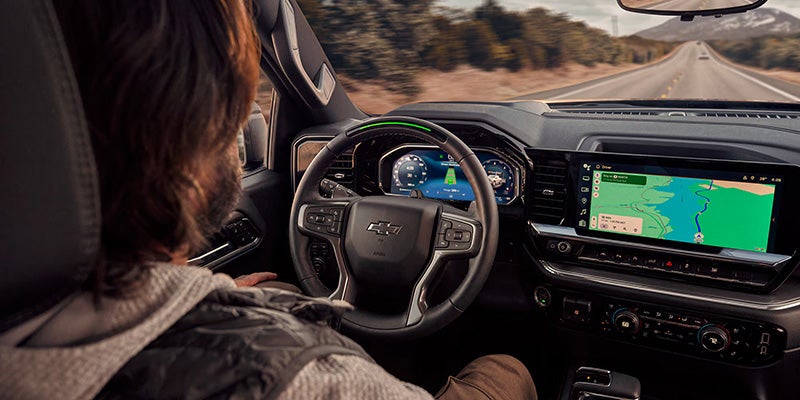
Regardless of which trim level you choose, the new Trax comes with a long list of advanced safety technologies that help you stay confident and safe on the road. Some of its standard safety features include StabiliTrak with traction control, automatic emergency braking with pedestrian detection, HD rear vision, lane change alert, lane keep assist, and rear cross-traffic alert.

Now that you have explored some of the most popular highlights of the new Chevy Trax, it's time to book a test drive and get behind the wheel of this stylish, efficient, and comfortable model. Get in touch with us at Stuteville Chevrolet of Durant in Durant, OK, and we'll be happy to welcome you at our showroom.

Recommended Posts

Is the Chevy Suburban a Good SUV for Large Families

Is the Chevy Suburban a good SUV for large families? Its strongest case comes from the space left after every passenger sits down. Both Suburban and Tahoe offer three rows and seating for up to nine. However, Suburban gives families more room behind the third row and slightly more third row legroom. That extra space matters when children, adults, bags, sports gear, and groceries all share the cabin. Tahoe remains easier to place in tighter garages and parking spaces. Therefore, the better family choice starts with how regularly every seat and cargo area will be used. How Suburban Supports a Larger Family Suburban gives a large family more room without changing the basic three row layout. It can seat up to nine with the correct front seating configuration. However, seating count alone does not explain how the cabin works with everyone aboard. In addition, Suburban gives row three occupants 36.7 inches of legroom. Tahoe provides 34.9 inches in the third row. Can adults use the Suburban third row? Yes, the extra legroom gives adult passengers more space than Tahoe provides. Still, legroom should be checked with the second row in its normal family position. A child seat, tall second row passenger, or reclined seat can change the space behind it. more In addition, Suburban keeps more cargo room behind row three. That makes it easier to carry groceries, backpacks, strollers, or sports bags with every seat occupied. Therefore, families who use all three rows gain the clearest advantage from the longer body. The seating layout also deserves attention before choosing a trim. Second row captain chairs create a clear walkway toward row three. A second row bench can raise total seating count. For this reason, families should test both layouts with their normal mix of passengers. Third Row Space Changes the Daily Routine Therefore, third row room matters most when that row is used regularly. A seat can meet the count on paper and still feel tight in regular family use. Suburban gives 1.8 more inches of third row legroom than Tahoe. That difference gives knees and feet more room on longer drives. How should a family test the third row? Start with the second row placed where its usual passengers would sit. Then have the tallest likely third row passenger climb in. Check knee room, foot room, entry path, and head clearance before moving any seat. Additionally, consider how regularly adults will ride in row three. Younger children need less legroom, but they may need help reaching seat belts. Older children and adults place more demand on knee and foot space. Therefore, the Suburban gains more value as third row passengers get taller. Tahoe still gives families a full three row cabin in a shorter body. That can make parking, garage fit, and tight school pickup lanes easier to manage. In addition, the shorter length may suit families who use row three only part of the time. A test drive should include the whole seating routine. Load the child seats, move the second row, and sit in row three. That check shows more than a seating number ever can. Cargo Space With Every Seat Raised How much cargo space remains with every row in use? Tahoe provides 25.5 cubic feet behind row three. Suburban provides 41.5 cubic feet behind row three. Therefore, Suburban adds 16 cubic feet without folding passenger seats. That difference changes what a family can carry on a full passenger load. A stroller, cooler, sports bags, and groceries take space quickly. In addition, road trip luggage can fill a smaller rear cargo area before every passenger adds personal items. For this reason, families should compare the space behind row three with the gear they already own. Bring a stroller or large sports bag during a dealership visit if space is a major concern. That makes the cargo check more concrete. Several cargo questions deserve attention: Can the stroller fit behind row three without folding a seat or removing a wheel? Will sports bags, groceries, or school gear fit beside the stroller on the same trip? Can the family load luggage for a weekend trip while keeping every passenger seat available? Maximum cargo volume tells a different story because rear seats must fold. Tahoe reaches 122.7 cubic feet with seats folded. Suburban reaches 144.5 cubic feet. However, families using every row should focus first on the space that remains behind row three. Towing With Passengers and Family Gear Families who pull a boat or camper need to compare more than cabin space. Tahoe reaches up to 8,400 pounds of maximum available towing for 2026. Suburban reaches up to 8,200 pounds. Therefore, the longer Suburban does not carry the higher published trailer rating. Which one gives a family more towing room? Tahoe carries the slightly higher maximum rating when properly equipped. However, the exact SUV, trailer, passengers, and cargo must fit within every published weight limit. Passengers and cargo add weight to the SUV before trailer tongue weight enters the picture. In addition, coolers, bikes, camping gear, and hitch equipment add more weight. That means a family should check the exact payload label and trailering information for the SUV being considered. For a boat or camper trip, compare these items before choosing: Loaded trailer weight should include water, propane, batteries, food, and gear carried in the trailer. Tongue weight adds load to the SUV and shares available payload with passengers and cargo. Factory trailering equipment should match the trailer and the published rating for that exact configuration. Tahoe may suit families who want the higher published maximum trailer rating in a shorter body. Suburban may suit families who value more cabin and cargo room while still towing a substantial trailer. Therefore, the trailer and passenger plan should be reviewed together. Choosing Between Tahoe and Suburban in Oklahoma The final choice comes down to how the family uses the cabin, cargo area, and trailer hitch. Tahoe offers three rows, strong towing numbers, and a shorter overall body. Suburban adds third row legroom and much more cargo room behind that row. For a family with younger children and lighter cargo needs, Tahoe may provide enough room. In addition, its shorter length can make school lots, downtown parking, and home garages easier to manage. Families who use row three only on some trips may find that layout easier to live with. Suburban becomes more useful when row three stays occupied and cargo still needs a permanent place. It also gives taller third row passengers more legroom. Therefore, larger families carrying strollers, sports bags, luggage, or groceries at the same time may prefer the extra length. Oklahoma families who tow should compare the exact trailer plan with both SUVs. Boat weight, camper weight, passenger load, and cargo all belong in the same calculation. In addition, the exact trim and trailering equipment should be confirmed before choosing either model. Stuteville Chevrolet can guide families comparing Tahoe and Suburban side by side in Durant. Bring the people and gear that shape your normal trips. Then test seating, cargo access, parking comfort, and trailering needs before deciding which size works better.

2026 Chevy Silverado 1500 Towing Capacity by Engine

The 2026 Chevy Silverado 1500 towing capacity ranges from 8,700 to 13,300 pounds across properly equipped configurations. However, engine choice never works alone. In addition, cab style, bed length, drive layout, wheels, and trailering equipment shape the final rating. Therefore, two Silverado trucks with the same engine may carry different limits. The best starting point is your trailer’s loaded weight. Additionally, you need the truck’s specific label, passenger load, bed cargo, and hitch weight. Moreover, those details matter across very different Oklahoma jobs. For this reason, a Lake Texoma boat creates one set of demands. A livestock trailer, camper, or ranch equipment trailer creates another. Consequently, the right setup begins with accurate weights, not a broad maximum. Start With the Trailer’s Loaded Weight A trailer’s empty weight does not show what the truck will pull on the road. Therefore, start after adding water, fuel, animals, tools, food, and gear. What should you count before checking the 2026 Chevy Silverado 1500 towing capacity? Count everything that travels inside or on the trailer. The answer is the loaded trailer weight. Use these checks before comparing engines: more Record the trailer’s listed empty weight from its data plate or paperwork. Add water, fuel, batteries, livestock, equipment, food, tools, and personal gear. Confirm the final loaded weight at a public scale when possible. Additionally, a travel trailer may gain hundreds of pounds after tanks and supplies are filled. Likewise, a boat trailer gains weight from fuel, batteries, coolers, and fishing gear. By contrast, livestock creates another moving load. Therefore, animal weight, feed, tack, gates, and trailer equipment all need attention. Furthermore, ranch equipment can shift weight toward the front or rear. Therefore, loaded weight gives you the first useful number. However, it is not the only number. The truck must also carry hitch weight, passengers, tools, and bed cargo. How Much Can Each Silverado Engine Tow? Each engine sets a different upper range for the 2026 Chevy Silverado 1500 towing capacity. The final figure still changes with cab, bed, drive layout, wheels, and equipment. First, the TurboMax engine reaches up to 9,500 pounds in a properly equipped setup. It produces 430 pound feet of torque. Therefore, it may fit boats, utility trailers, smaller campers, and work trailers. Next, the 5.3 liter V8 reaches up to 11,300 pounds in selected configurations. It adds more trailer room for larger campers and heavier work loads. Still, the exact truck must match the required setup. Additionally, the 6.2 liter V8 reaches up to 13,200 pounds. It serves heavier gasoline towing when the correct package, wheels, cab, and bed are present. Finally, the 3.0 liter Duramax diesel reaches the highest published figure at 13,300 pounds. Its 495 pound feet of torque suits frequent highway towing and heavier trailer plans. Which engine fits your trailer? The direct answer comes from loaded trailer weight, hitch weight, trip frequency, and the chosen truck’s label. However, a large engine alone does not guarantee the highest figure. A crew cab with four wheel drive may carry a different rating. By contrast, a two wheel drive regular cab may differ. Therefore, compare complete configurations, not engine names alone. Understand Payload and Hitch Weight Payload and towing describe different weight limits. In addition, both limits need review before choosing a truck. Towing covers the trailer behind the truck. Payload covers weight placed on the truck itself. Furthermore, hitch weight is part of payload. So are passengers, tools, bed cargo, accessories, and added equipment. Therefore, a trailer may sit below the tow rating while the truck reaches its payload limit first. For this reason, consider a family towing a camper across Oklahoma. People, coolers, firewood, bicycles, and a bed cover all add weight. The trailer’s hitch also presses down on the rear of the truck. What should you review next? Check the driver door label for the truck’s specific payload information. Then add every item carried by the truck. Therefore, the 2026 Chevy Silverado 1500 towing capacity should always be reviewed beside payload. That pairing shows whether the selected setup has enough room for both trailer and truck loads. Additionally, hitch weight changes steering and braking feel. Too little can cause trailer sway. Too much can overload the rear axle or reduce front tire contact. In addition, a weight distributing hitch may be required for certain trailers. However, that equipment does not raise the truck’s published limits. It manages load placement within those limits. What Does the Max Trailering Package Change? The Max Trailering Package supports selected Silverado configurations with higher published ratings. However, it does not give every truck the same maximum. What does the package change? It adds trailering hardware and works with specific engines, axles, wheels, cabs, beds, and drive layouts. Therefore, the entire setup must match Chevrolet’s chart. Additionally, some highest ratings require 20 inch wheels. Others appear only with a certain cab or bed. Four wheel drive can also change the listed figure. Furthermore, the package may include a trailer brake controller, hitch hardware, axle changes, and cooling support. Exact contents can vary by configuration. The 2026 Chevy Silverado 1500 towing capacity reaches its highest figures only when all required pieces are present. A package name on a listing is not enough by itself. Therefore, ask to see the truck’s build information and trailering label. Then compare those details with the trailer’s loaded weight and hitch weight. In addition, Chevrolet offers trailering tools through the center display. These tools can store trailer profiles, test trailer lights, and show brake status. They support preparation, but they do not replace weight checks. Match the Engine With Oklahoma Towing Tasks Oklahoma towing ranges from short local trips to long highway pulls. Therefore, engine choice should reflect the trailer, route, and towing frequency. A fishing boat headed toward Lake Texoma may fit within the TurboMax range. However, boat size, fuel, gear, and trailer weight need verification. Additionally, the 5.3 liter V8 may suit larger boats, work trailers, and travel trailers. It gives more room than TurboMax without moving to the largest gas engine. By contrast, the 6.2 liter V8 may fit heavier gasoline towing. It may suit larger campers, equipment trailers, or ranch loads within the truck’s exact limits. Finally, the Duramax diesel may suit frequent highway towing. Its torque can support steady pulling with heavier trailers. Still, the selected cab, bed, wheels, and package control the final rating. Moreover, livestock trailers require careful planning because animal weight can shift. Ranch equipment may also create uneven weight across the trailer. The 2026 Chevy Silverado 1500 towing capacity can cover many Oklahoma tasks. Yet no engine should be chosen from a trailer category alone. Confirm loaded weight before selecting the truck. In addition, long highway trips place steady demand on tires, brakes, cooling, and trailer connections. Therefore, service history and maintenance matter before every major trip. Verify the Rating Before Choosing a Truck The final towing number belongs to the exact Silverado on the lot. Therefore, broad model figures should guide research, not finish it. Where should you verify the rating? Start with the driver door jamb label, trailering label, window sticker, and build information. Then compare those details with Chevrolet’s current chart. Review these items before signing: Confirm the engine, cab, bed, drive layout, axle, wheels, and trailering package. Compare the truck’s tow rating with the trailer’s loaded weight. Add hitch weight, passengers, tools, accessories, and bed cargo against payload. The 2026 Chevy Silverado 1500 towing capacity should leave room below both towing and payload limits. That room supports changing cargo, extra passengers, and future trailer additions. Furthermore, inspect the hitch, wiring connector, brake controller, tires, and mirrors. A correct rating cannot make worn or missing equipment safe. For a boat, check ramp traction and trailer brake needs. Additionally, review the launch area and expected road distance. For livestock, review gates, floor strength, and weight movement. For campers, count water, batteries, propane, and storage cargo. The right Silverado setup is the one that matches your loaded trailer and truck weight. Verify every number before choosing an engine or trim.


What Does Chevy Roadside Assistance Actually Help With During Real Driving Situations?

What does Chevy roadside assistance actually help with during day-to-day ownership? Many drivers associate roadside assistance only with towing after a breakdown, but Chevrolet roadside support is designed to help manage several different situations that may interrupt commuting, travel, or long-distance driving. Dead batteries, flat tires, lockouts, fuel interruptions, and unexpected mechanical problems can all create moments where emergency vehicle support becomes part of the ownership experience. Understanding how these support systems operate may help drivers better evaluate what roadside coverage actually does, what situations may be resolved on-site, and when towing or vehicle recovery becomes necessary. How Chevy Roadside Assistance Works During Unexpected Vehicle Events Chevrolet roadside assistance operates through dispatch coordination networks that connect drivers with emergency support providers during breakdowns or vehicle emergencies. When a driver contacts roadside support, the process usually begins by evaluating: more vehicle location current vehicle condition surrounding traffic or safety concerns type of assistance required whether on-site service or towing is more appropriate That evaluation matters because vehicle emergencies can vary significantly depending on weather, traffic flow, highway access, and the severity of the issue itself. For example, a dead battery in a parking lot creates a very different recovery process than a mechanical failure during interstate travel. Some situations may allow the vehicle to return to operation quickly, while others may require transportation to a dealership or repair facility. This is one reason roadside assistance functions differently than simply contacting a towing company independently. The support process often includes: dispatch coordination recovery assessment emergency communication service routing transportation planning before the next step is determined. That structure is designed to help drivers navigate stressful situations more efficiently, especially when unexpected vehicle issues occur away from familiar repair resources. What Chevy Roadside Assistance May Help Resolve Without Towing One of the biggest misconceptions surrounding roadside assistance is assuming it only applies after severe mechanical breakdowns. In reality, many roadside support calls involve smaller interruptions that temporarily prevent the vehicle from operating normally. Chevrolet roadside support may assist with: battery jump-start services flat tire situations lockout assistance emergency fuel delivery towing coordination minor roadside troubleshooting Battery-related assistance becomes especially common during: colder temperatures extended parking periods aging battery cycles unexpected electrical drain conditions In these cases, roadside support may restore vehicle operation without transporting the vehicle elsewhere. Flat tire situations may also vary depending on: tire damage severity wheel condition roadside accessibility spare tire availability traffic safety conditions Some tire situations may allow drivers to continue traveling after service, while others may still require towing if the vehicle cannot safely return to the road. Lockout situations work differently because the goal becomes restoring vehicle access rather than addressing drivability problems. That distinction highlights how roadside assistance systems support a wide range of ownership interruptions beyond traditional towing scenarios. For many drivers, these smaller service situations become the moments where roadside support feels most useful during everyday ownership. Why Emergency Vehicle Support Matters More During Travel Roadside assistance often becomes more valuable when drivers are farther from local repair networks, familiar service providers, or home support resources. A local commuting issue may feel easier to manage because: nearby repair facilities are familiar transportation alternatives may be available support contacts are easier to reach That changes considerably during: interstate driving long-distance travel vacation trips rural driving nighttime highway situations Distance changes how vehicle recovery works because drivers may suddenly need help coordinating: towing logistics repair access emergency communication transportation planning safe roadside recovery For example, a highway breakdown during travel may involve questions about: where the vehicle should be transported whether roadside repair is possible how quickly assistance may arrive how far the nearest service center may be This is where Chevrolet dispatch coordination systems may help reduce confusion during stressful roadside events. Many drivers underestimate how quickly roadside situations may become more difficult when: weather conditions worsen traffic remains active nearby repair access becomes limited unfamiliar surroundings create uncertainty cell coverage becomes inconsistent Emergency support coordination exists partly to simplify those recovery decisions while helping drivers manage vehicle issues more safely and efficiently. What Drivers Should Understand About Coverage and Roadside Limitations Another common source of confusion involves understanding what roadside assistance can realistically resolve on-site compared to situations requiring towing or repair facility support. Roadside assistance does not automatically repair every mechanical issue at the roadside. Certain failures involving: driveline damage cooling system failure transmission issues severe electrical problems major engine concerns may prevent safe roadside repair entirely. This distinction matters because roadside support systems are designed primarily around: driver safety temporary recovery assistance emergency coordination vehicle transportation support rather than complete roadside mechanical repair for every problem type. Drivers should also understand that eligibility and roadside coverage may depend on: vehicle age warranty coverage mileage limitations enrollment status location accessibility These factors may affect: towing distance dispatch availability roadside response options support timing Understanding those limitations before an emergency occurs may help drivers prepare more realistically for travel and long-distance driving situations. How Roadside Support Changes Long-Term Ownership Confidence Many drivers do not think heavily about roadside assistance until an unexpected problem interrupts normal driving. That pattern appears frequently because roadside value is often tied to unpredictable situations rather than daily use. A vehicle emergency may involve: a dead battery before work a flat tire during travel a lockout during severe weather a highway breakdown far from home In those moments, roadside support becomes less about abstract coverage and more about: response accessibility recovery coordination reduced uncertainty emergency communication transportation assistance For drivers who: travel regularly commute long distances tow trailers drive through rural areas encounter changing weather conditions roadside assistance may provide additional confidence that support systems are available before an emergency situation develops. Chevrolet roadside assistance is ultimately designed to help drivers manage unexpected vehicle interruptions through dispatch coordination, towing support, roadside troubleshooting, and emergency recovery assistance when normal travel conditions suddenly change.